
Adding too many features cost us 1.5 years: the Popupsmart V2 lesson
Adding too many features to Popupsmart cost us 1.5 years. The V2 migration we forced on users, the investor advice we refused, and what I'd do instead now.
Published 21 min read

Founder, GrowthMarketing.ai
15+ years of experience
Emre Elbeyoglu is a B2B SaaS growth expert and Founder of GrowthMarketing.ai. With 15+ years of SEO and GEO experience, he studies search and AI ranking systems to support growth work for brands including Rakuten and Investing.com. He has also bootstrapped SaaS products including Popupsmart and LiveChatAI.
- Computer Technology & Information Systems, Bilkent University
- Co-founder & Growth Lead, Popupsmart (since 2019)
- Co-founder, LiveChatAI (since 2023)
Share article
Explore with AI
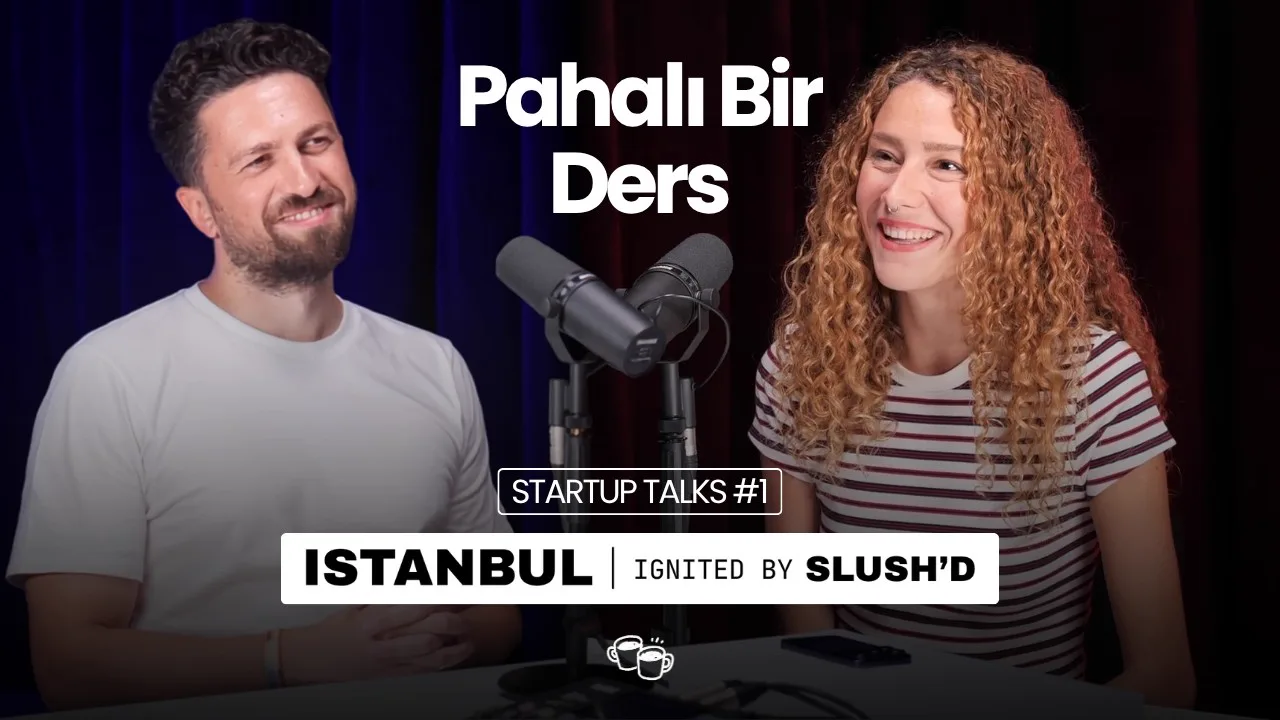
Adding too many features to Popupsmart cost us about a year and a half. Our V2 bet that more options would mean more conversions, so we forced existing users through a full migration to get them. In this September 2026 Istanbul Ignited by Slush'D interview I explain the mistake and the investor warning we ignored.
Video summary and key insights
This is my conversation with Nisa Selin Kosova, Startup Experience Lead at Istanbul Ignited by Slush'D, recorded in Turkish for the event's talk series. I co-founded Popupsmart, a no-code popup builder we run from Ankara and sell almost entirely outside Turkey. We cover the move from a 30-person agency to SaaS, why a popup lifts sales on the same traffic, and our most expensive decision: a V2 that added features customers didn't want and cost about a year and a half. The rest is investors, AI, and the AI search product we're building under a separate brand.
- More features made Popupsmart harder to use, not better. My V2 theory was that more options would bring customers more conversions. People were used to the simple version and didn't want to deal with the new one, even if it could convert better.
- The mistake cost about a year and a half. That's the time. Morale and motivation came on top, and I don't have a number for those.
I believed in it, and it cost us a very big price. People were used to that simplicity. Even if conversions were higher, they didn't want to deal with it, and my theory blew up.
- A popup can lift sales without more traffic. With 1,000 visitors and five sales, a popup can take you to seven or eight, which I put at roughly 30–40% on camera.
- Success made the bad bet easier to make. Our first three years were growth, everything we'd done had worked, so I assumed this would too and closed my ears to people telling us not to.
- Our investors saw the mistake before we did. Furkan Kuru, co-founder of VLMedia, told us to rebuild the backend and add the new features step by step. We refused and moved every user onto V2 at once.
- AI speed cuts both ways. Product work can move maybe five or ten times faster, which also means you can build the wrong thing faster.
- AI has lowered the entry barrier for data-heavy products. A small team managing agents can now compete with big players, as long as it has deep domain expertise.
Before, I couldn't have built products like Ahrefs or Semrush. Those are big data products. Now you can compete with them.
Nisa asked what I'd tell myself on Popupsmart's first day, and I picked V2. I'm writing it up because feature creep is easy to explain in a product management article and much harder to spot when you're the founder who believes the roadmap. Quotes below are translated from Turkish and lightly edited; every timestamp opens that moment in the video.
How did a digital agency turn into a popup SaaS company?
It turned into one because agency revenue grows with headcount and a software product doesn't have to. Most service businesses hit that wall at some point. Ours hit it at around 30 people.
My entrepreneurship started about 14 years ago, when a few friends and I got excited, dropped out of school, and started Flatart, a digital marketing agency. The plan was to start it and go back to school later. We didn't go back.
In about eight years we grew Flatart to around 30 people and started working with big brands like Toyota. Then we understood we couldn't scale it, because in a service business, people are what scales.
So we looked for the simplest problem we could solve with technology. E-commerce and most other ideas looked hard. Popups looked easy. As I told Nisa, "we said let's start with the easy one, but that turned out to be hard too." We've been on Popupsmart about six and a half years, and it's still one of our flagships.
The market is the part I'd underline for anyone making the same move. We're an Ankara company that incorporated in the US and sold globally from day one; today about 96% of our customers are outside Turkey, partly because six years ago very few businesses here would pay a subscription for a popup.
| Flatart | Popupsmart | |
|---|---|---|
| What it is | Digital marketing agency | No-code popup builder for websites |
| Started | About 14 years ago, after dropping out of school | Company founded in 2019, MVP in 2020 |
| Size I mention in the interview | Around 30 people after about eight years | More than 1,000 active paying customers |
| Market | Big brands such as Toyota | About 96% global, incorporated in the US |
| What limited growth | "People are what scales" | Product complexity, as the V2 story shows |
Why can a simple popup increase conversions on the same traffic?
It can, because it gives visitors who are about to get lost a clear next step without you buying more traffic. My example in the interview: 1,000 visitors and five sales become seven or eight once a popup is live.
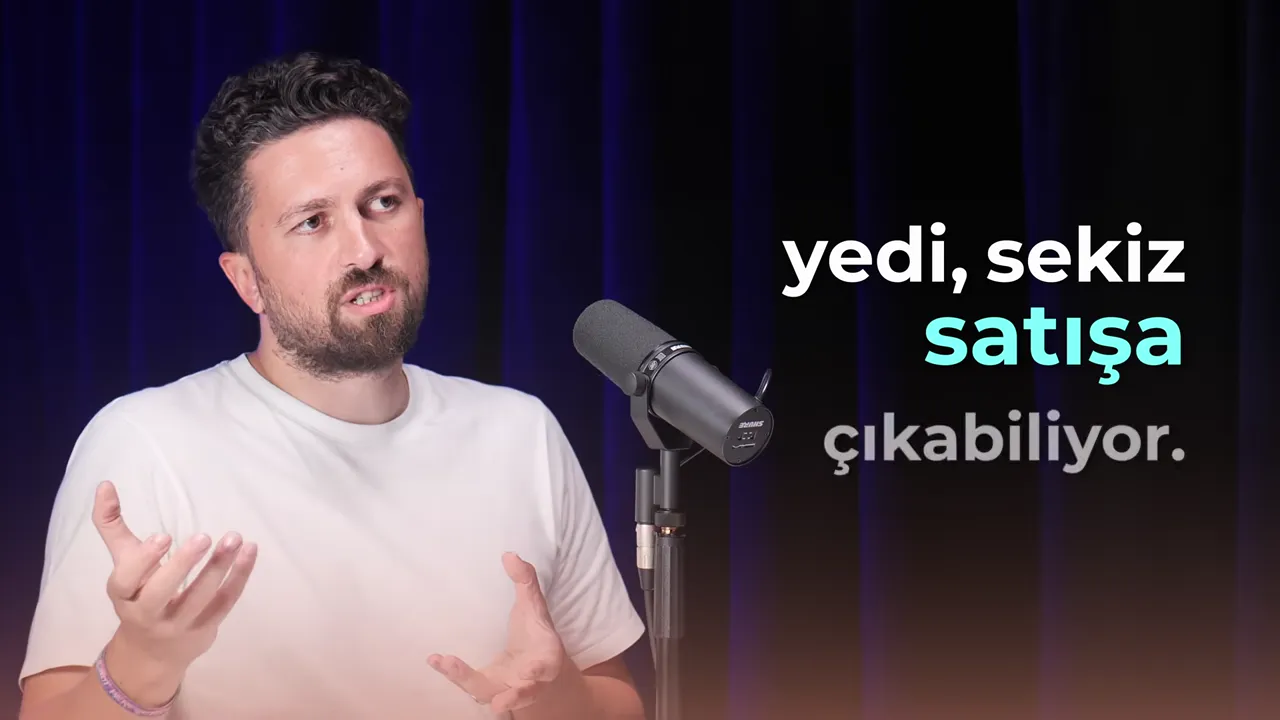
It's simple and effective, because you're getting the same traffic. If you make five sales from 1,000 visitors, the moment you turn on a popup those five sales can climb to seven or eight. So 30%, 40%. The numbers can vary, of course.
A note on my own math: five to seven sales is +40%, five to eight is +60%. Treat the example as an illustration and 30–40% as my range; your number depends on the site, the offer, and the targeting.
Nisa, who'd worked at a music company for four years, asked the obvious question: how hard can it be to make a popup?
Making a popup shouldn't be this hard. It used to take a designer and a developer working together, and at some companies that took days, even weeks. But it's a simple problem, and technology can solve it simply.
The other half is not being the popup people hate, the one that covers the page from every side ("where do we close it?" was Nisa's reaction). Our answer is advanced targeting, modern design, and no hit to site speed. Nisa called them "sweet popups," I said "nice popups." Ease comes first: a business owner can publish one in about five minutes. More conversions from the same visitors comes second. That combination is why more than 1,000 paying customers use Popupsmart.
What do founders get from Slush'D besides investor meetings?
Mostly people and momentum. I came back because the people I'd been looking for, or wanted to say hello to, were in one place, and because watching other founders' progress keeps me going for weeks.
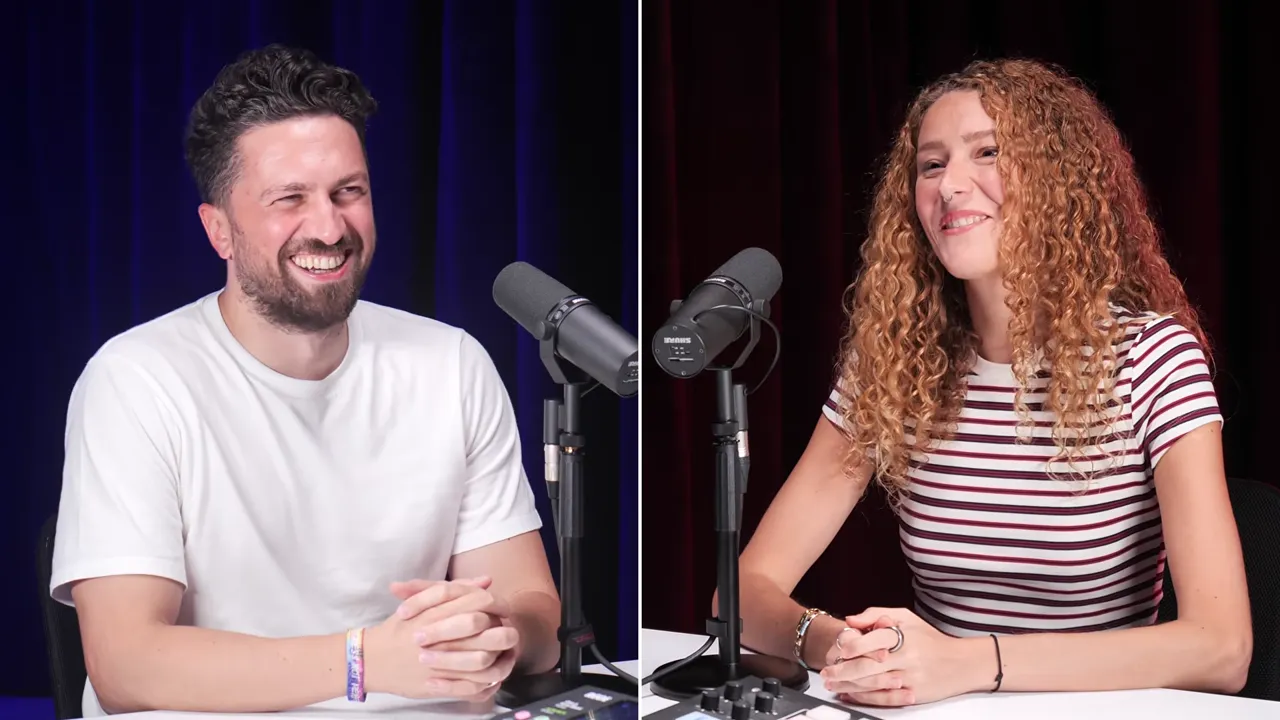
After six years mostly spent in front of a computer, I go to events for the network. Many Turkish events happen in places like Antalya. Slush'D was in Istanbul and carried the Slush'D brand, which is why I think it reached the right audience. We weren't raising then, though there was plenty on offer for founders who were. I told Nisa I criticize events when they deserve it. This one was good.
As I put it, we "crazy entrepreneurs" run on motivation, and the buzz from one good presentation lasts me weeks. Nisa said it better, from the organizer's side:
What I see in founders is motivation, hyping each other up. You could almost call it a trauma support group: everyone has suffered from the same things, and quality people who can give each other constructive advice are in the same place.
"Trauma support group" is funny, and it's the reason a founder with no fundraising plans buys a ticket. Last year was the first edition; this year's is in Istanbul in October.
When does adding features make a product worse?
A product gets worse the moment new options cost existing users more effort than they hand back in value. Popupsmart lived both sides of that line: our 2020 MVP was too limited, and our V2 went too far the other way.
We founded the company in 2019 and shipped the first MVP in 2020, the version Webrazzi covered that November when we hit 4,500 members. There was no AI then, and not everyone could build software. The product was very, very simple: no targeting options, text and color changes, nothing else. Today our product is far more developed. But I said something in the interview that I'd put above everything else here:
The product is much more developed now, of course. But along the way we saw this too: if developing the product a lot creates complexity, that's a bad thing as well.
The research agrees. Pendo's 2019 Feature Adoption Report found that 80 percent of features in the average software product are rarely or never used. In a no-code tool, the unused ones don't hide in the codebase. They show up as extra panels, settings, and decisions in front of someone who wanted a popup in five minutes.
The V2 story is the concrete version. After three years of growth, we decided to develop the "limited" product further.
Emre Elbeyoglu: From that simple version of the product, my theory was: let's add more features. That way more people can get conversions, and that way we can do more for the customer.
Nisa Selin Kosova: Did you have evidence, or was it instinct?
Emre Elbeyoglu: I believed in it, and it cost us a very big price. If I went back, I wouldn't do it. It cost us about a year and a half, and I'm not even talking about morale and motivation.
Nisa's question is the one I should have asked myself. But the theory was only half the mistake. The other half was how we shipped it: we rebuilt the product and moved every existing user onto V2 in one migration. People who had a working popup opened their account and found a tool they hadn't asked for. That's the part I'd undo first.
Side by side:
| What I expected from V2 | What happened | |
|---|---|---|
| Product | More features for users | More complexity for users used to the simple version |
| Customer outcome | More people getting conversions | People didn't want to deal with it, even if it converted better |
| Basis for the decision | "I believed in it" | The theory "blew up" |
| Rollout | Not treated as a risk | Every existing user migrated to V2 at once |
| Team and money | New investment, more features, a bigger team | We couldn't carry that growth in a healthy way |
| Cost | Not considered | About 1.5 years, plus morale and motivation |
If I made that call again, the sequence would be:
- Rebuild the backend if it needs it, and leave the interface people already know alone.
- Ship the extra options to a slice of accounts, never to everyone at once.
- Compare two numbers against the simple flow: setup time and conversion rate.
- Keep it or kill it on that data, before anyone migrates a single existing user.
A few weeks of that would have told us what 18 months did.
Why are decisions made on instinct riskier after a run of success?
They're riskier because success makes instinct feel like evidence. After three good years, my belief in V2 didn't feel like a guess. It felt like the next correct decision in a series of correct decisions.
Sometimes, when everything is going well and everything you've done so far has been right, you get into something thinking you'll get this one right too. You shouldn't. Sometimes you close your ears. People did tell us: don't do something this drastic.
It shook us like an earthquake. Nisa said it had at least been a valuable lesson, and I added one word. That exchange became the line on the episode's cover:
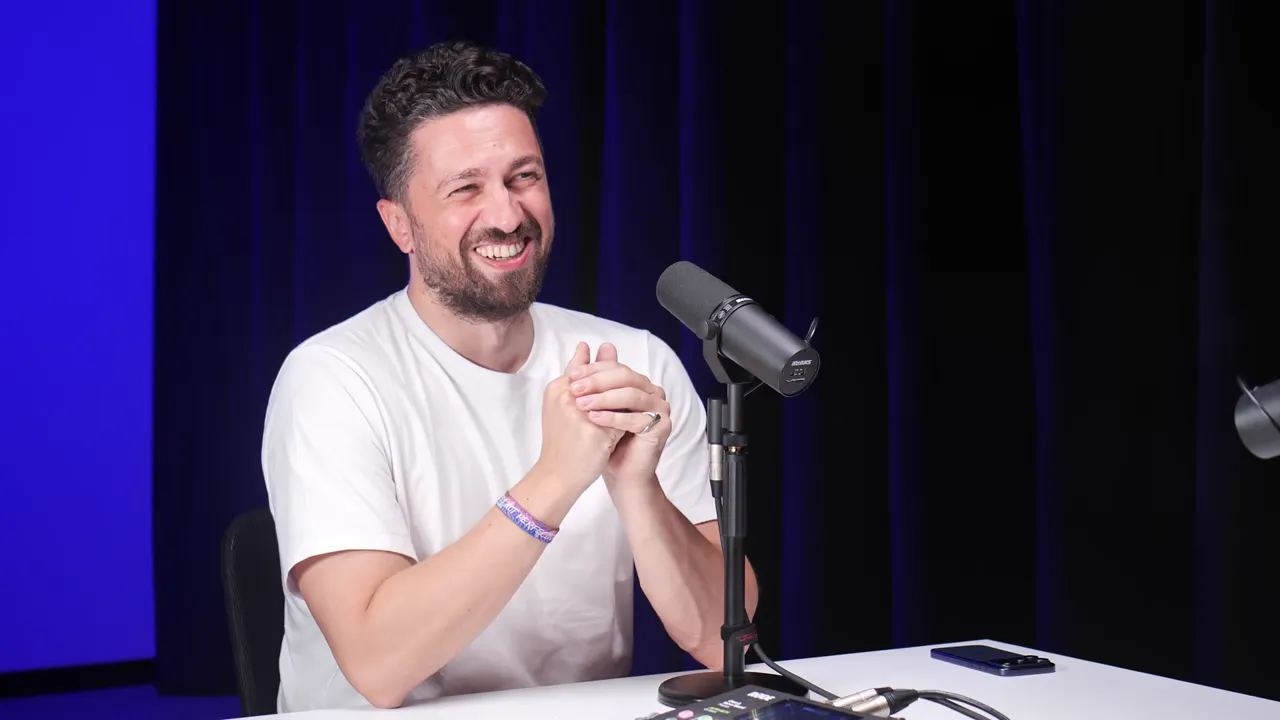
Nisa Selin Kosova: But it's been a valuable lesson.
Emre Elbeyoglu: A valuable and expensive lesson.
Nisa Selin Kosova: Expensive, yes.
Nisa then named the general pattern, and I finished her sentence:
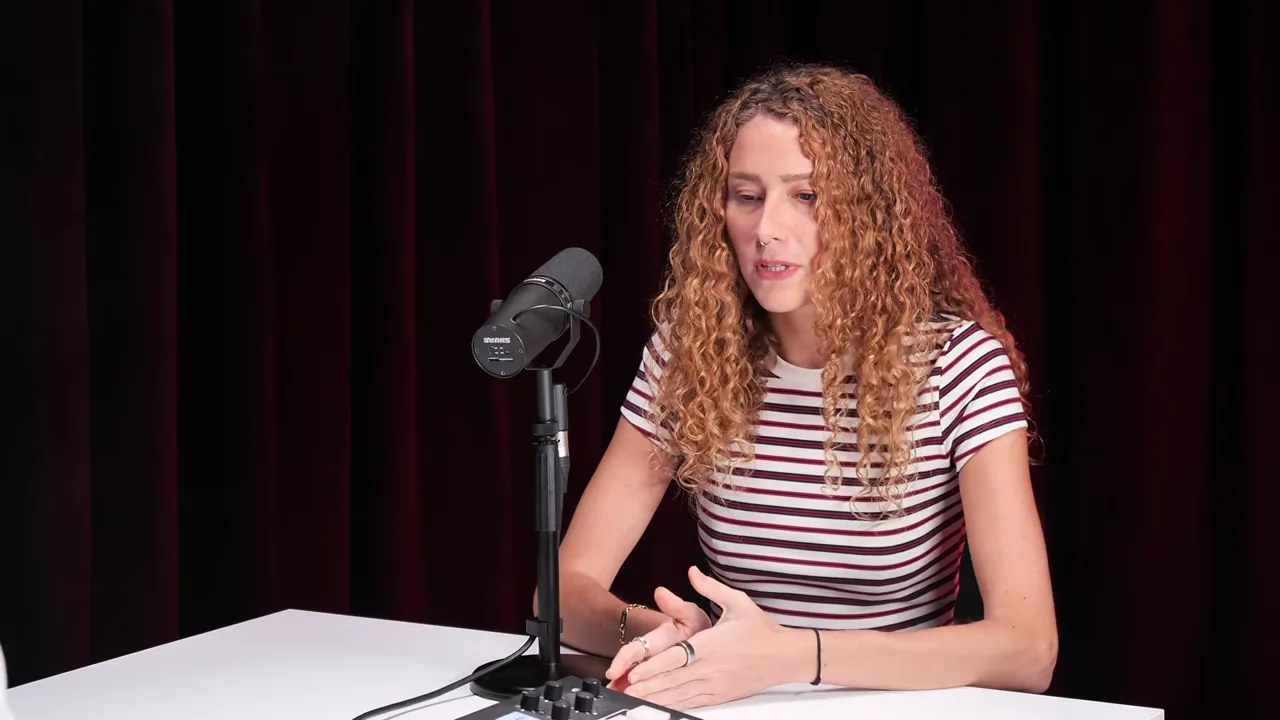
Nisa Selin Kosova: It could be scope creep, it could be over-complicating a feature, or decisions that aren't based on data. Lots of companies do these things, but when you're a startup and your runway is limited, it's more…
Emre Elbeyoglu: Fatal.
Nisa Selin Kosova: Yes, the cost can be fatal.
One more detail made it worse: we had just raised money. As I said at 11:57, with the investment "we went into more features, a bigger team, and so on," and we couldn't carry that growth healthily. Fresh funding makes every expansion easy to approve, which is exactly when an unproven theory needs a test and least likely to get one. We recovered, but it was a big lesson.
What should founders expect from investors besides money?
Know-how, a perspective you can't see from inside, and enough of a say in big decisions to break ties. Our angel investors gave us all three, including a warning about V2 that we ignored.
Honestly, our investors are very valuable, like older brothers to me: the founders of VLMedia, who are well known in Ankara. They told us things from a perspective we couldn't see. They even warned us about that exact mistake: "Don't do this, kids."
Those investors are Muzaffer Çoruh and Furkan Kuru, and their warning was more specific than the clip makes it sound. Furkan told us to rebuild the backend, leave the interface our customers knew alone, and add the new features one at a time. We refused, rebuilt everything, and forced a migration on every existing user. Our reply was the founder classic: we know this business, leave it to us.
Unfortunately, we closed our ears. Later, their advice helped us enormously: besides money, they added know-how. The part founders resist, and the part I now value most, is that they have a say.
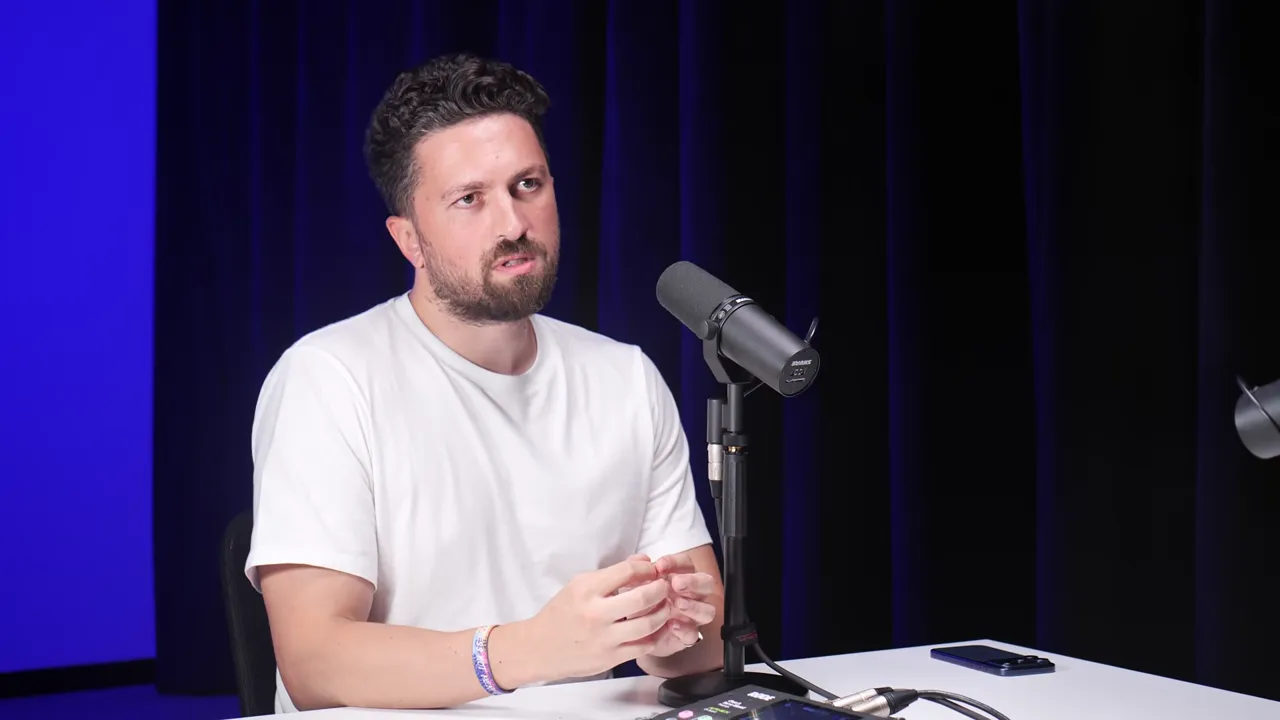
Their having decision power creates a good balance. When you're making a big decision, a balance of power forms. Sometimes it's hard for two people to decide, and we're two founders.
Nisa asked whether I'd want proactive investors or just check-ins next time. My answer: investors with a founder background, involved but not nosy. I'm not warm to a purely VC approach, and I tried to be fair about why. VCs raise other people's money and answer to them, so they carry pressure too. The contrast, as I put it in the interview:
| Investors with a founder background (our experience) | Purely financial VC (how I see it) | |
|---|---|---|
| After the money | Stay involved and give opinions in their areas | Give the money and step back |
| When things go wrong | Warn you, then let you live with the cost | "You didn't grow, what happened?" |
| Why they act that way | They've been founders themselves | They raise other people's money and answer to them |
| At the next round | Not a topic in the interview | You end up trying to convince them again |
They understood us: we made a mistake, and we lived with its cost. They never said "why did you make this mistake, look how well we were growing." They warned us, the way it should be.
This is one founder's experience with two investors, not a verdict on venture capital. Plenty of VCs act like our angels did, and plenty of angels don't. The test is simpler than the label: will this person tell you "don't do this" before a big mistake, and skip "I told you so" after it?
What does AI-native mean for Popupsmart?
AI-native means the product works through an AI agent, not only through an AI button inside the editor. For Popupsmart, that means an agent that reads a customer's whole website and builds what that site needs, with our product as the layer in between.
Everyone is adding AI features that generate a text or an image inside the builder. We want to take it further toward AI-native: give an agent our MCP, let it scan the whole website and build something specific to it, and we act as the intermediary.
MCP is the Model Context Protocol, the open standard that lets AI applications connect to external tools. The mission stays the same: more conversions on a website, simply. What changes is who does the setup work. In an AI-native version, the agent does.
Nisa asked the natural follow-up: has AI made us ten times faster? In product development, yes, we can get that speed. Other work has become maybe five, maybe ten times easier. But this is where V2 comes back:
After six years, adding a lot on top of the product creates that complexity. With that speed, you can also run into the wrong thing.
AI has made building a feature much cheaper. It hasn't made a feature any cheaper for the user who has to understand it. That gap is where feature creep grows. Popupsmart already competes head to head with the big players in its category, so we spend the new speed where there's room left to build: a new product.
Why build an AI search product now?
Because search itself is changing, and AI has lowered the cost of building the kind of data-heavy tool that used to need a large company. Google is changing, people ask ChatGPT, and a small team managing agents can now compete where it couldn't before.
We plan to use the speed we gain from AI to shake the giants. Starting from zero isn't the same as running a six-year-old product. But you can manage agents as if you had a very large engineering team, and that changes who competes.
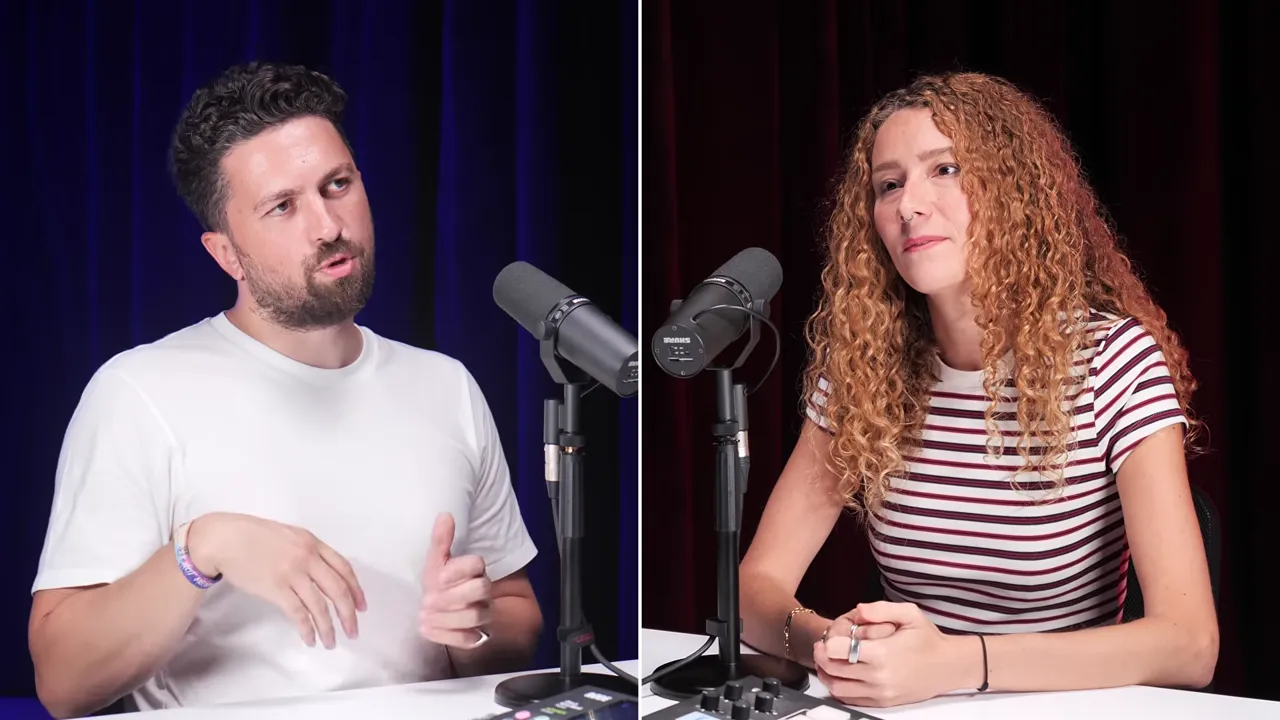
Products like Ahrefs or Semrush were out of reach for a team like ours (that quote is at the top). The same shift is a warning: if everyone can build software, software alone stops being the advantage.
With AI, everyone can build software, but deep domain expertise in the field matters a lot. Even if I saw a pain point for dentists, I couldn't build that software, because I don't know the full context. I'm inside this business. I've been doing it for 15 years.
My domain has always been SEO and search. We sold SEO services in the agency years, and SEO was Popupsmart's main acquisition channel, downside included: a 60% SEO traffic drop after Google's Helpful Content Update. Now people say AI SEO, GEO, and plain SEO in the same sentence. The new product, under a new brand, is where that experience goes, the way we tested it in a programmatic AI SEO experiment that grew from zero to 150k visits a month.
It's a bet, and I want to label it as one. Domain expertise is why I think we can win in AI search, and the V2 story is why I won't treat that belief as evidence until customers hand us some. It also echoes a point from another conversation on this site about why startup playbooks stop working: what worked in one context proves little about the next.
Frequently asked questions
What is feature creep?
Feature creep is the steady addition of features beyond what a product's users need, until the extra options make the product harder to use. Pendo's 2019 Feature Adoption Report found that 80 percent of features in the average software product are rarely or never used. For a simple tool, the cost shows up as extra effort for every user, not only as unused code.
How did adding too many features cost Popupsmart 1.5 years?
Popupsmart co-founder Emre Elbeyoglu bet that a V2 with more features would help customers get more conversions, and the team moved every existing user onto it in one migration. Investor Furkan Kuru had advised rebuilding only the backend and adding features step by step. Users were used to the simple version and didn't want the added complexity, so the switch cost about a year and a half, not counting morale.
Can a popup increase conversions without more traffic?
It can. Emre Elbeyoglu's example in the interview: a site making five sales from 1,000 visitors can reach seven or eight sales once a popup is live, which he puts at roughly 30 to 40 percent while noting that numbers vary. The gain depends on the offer, the targeting, and whether the popup respects the visitor's experience.
How do you know when a product has too many features?
A warning sign is when existing users resist a new version they could technically get more value from. At Popupsmart, customers were used to a simple builder and didn't want the added effort V2 asked of them. Usage data on which features people adopt, and testing big changes with a subset of accounts first, catch this before a full rebuild.
What should founders expect from investors besides money?
Know-how, an outside perspective, and a voice in big decisions. Emre Elbeyoglu says Popupsmart's angel investors, VLMedia co-founders Muzaffer Çoruh and Furkan Kuru, warned the team before the V2 mistake: Furkan Kuru advised rebuilding the backend and adding features step by step instead of migrating users to a new interface. With two founders, an investor's say also helps break deadlocks on big calls.
What is the difference between AI-enabled and AI-native products?
An AI-enabled product adds AI features inside an existing workflow, such as generating text or an image in an editor. An AI-native product is built around what an AI agent can do. Emre Elbeyoglu describes Popupsmart's AI-native direction as giving an agent the product's MCP so it can scan a whole website and build something specific to it.
Why is AI search an opportunity for a new product?
Search behavior is shifting as Google changes and people ask ChatGPT, and AI has lowered the cost of building data-heavy tools. Emre Elbeyoglu says he couldn't have built products like Ahrefs or Semrush before, but small teams managing agents can now compete. He argues deep domain expertise is what separates the products that win, which is why his team is building in AI search after 15 years in SEO.
Key takeaways
- Adding features to a simple product can lower its value for existing users, and forcing a migration to reach them multiplies the damage. Popupsmart's V2 did both: about 1.5 years, plus team morale.
- A run of success makes instinct feel like evidence. The bigger the bet after a good streak, the more it needs a test on real accounts first.
- Fresh funding makes expansion easy to approve: more features, a bigger team. That's when an unproven theory is most dangerous.
- The most useful investors warn you with a specific alternative. Furkan Kuru told us to rebuild the backend and add features step by step; we rebuilt everything and migrated every user at once.
- AI makes building features cheaper, not understanding them. Faster development reaches the wrong product faster.
- AI lowers the entry barrier for data-heavy products like SEO tools, shifting the advantage to deep domain expertise.
- If you're about to rebuild a product your users already like, buy the data before you buy the rebuild. That is what 1.5 years bought me.
This post is based on Çok Özellik Eklemek Bize 1,5 Yıla Mal Oldu | Emre Elbeyoğlu x Istanbul Ignited by Slush'D by Ortak Alan. Quotes are translated from Turkish and lightly edited for clarity.