
The $100M Decision: Intercom's CPO at SaaStr Explains Why Most SaaS Companies Won't Survive AI
Intercom CPO Paul Adams explains the company’s AI shift, its decision to move most R&D to Fin, and what the change means for SaaS product teams.
Published Updated 9 min read

Founder, GrowthMarketing.ai
15+ years of experience
Emre Elbeyoglu is a B2B SaaS growth expert and Founder of GrowthMarketing.ai. With 15+ years of SEO and GEO experience, he studies search and AI ranking systems to support growth work for brands including Rakuten and Investing.com. He has also bootstrapped SaaS products including Popupsmart and LiveChatAI.
- Computer Technology & Information Systems, Bilkent University
- Co-founder & Growth Lead, Popupsmart (since 2019)
- Co-founder, LiveChatAI (since 2023)
Share article
Explore with AI
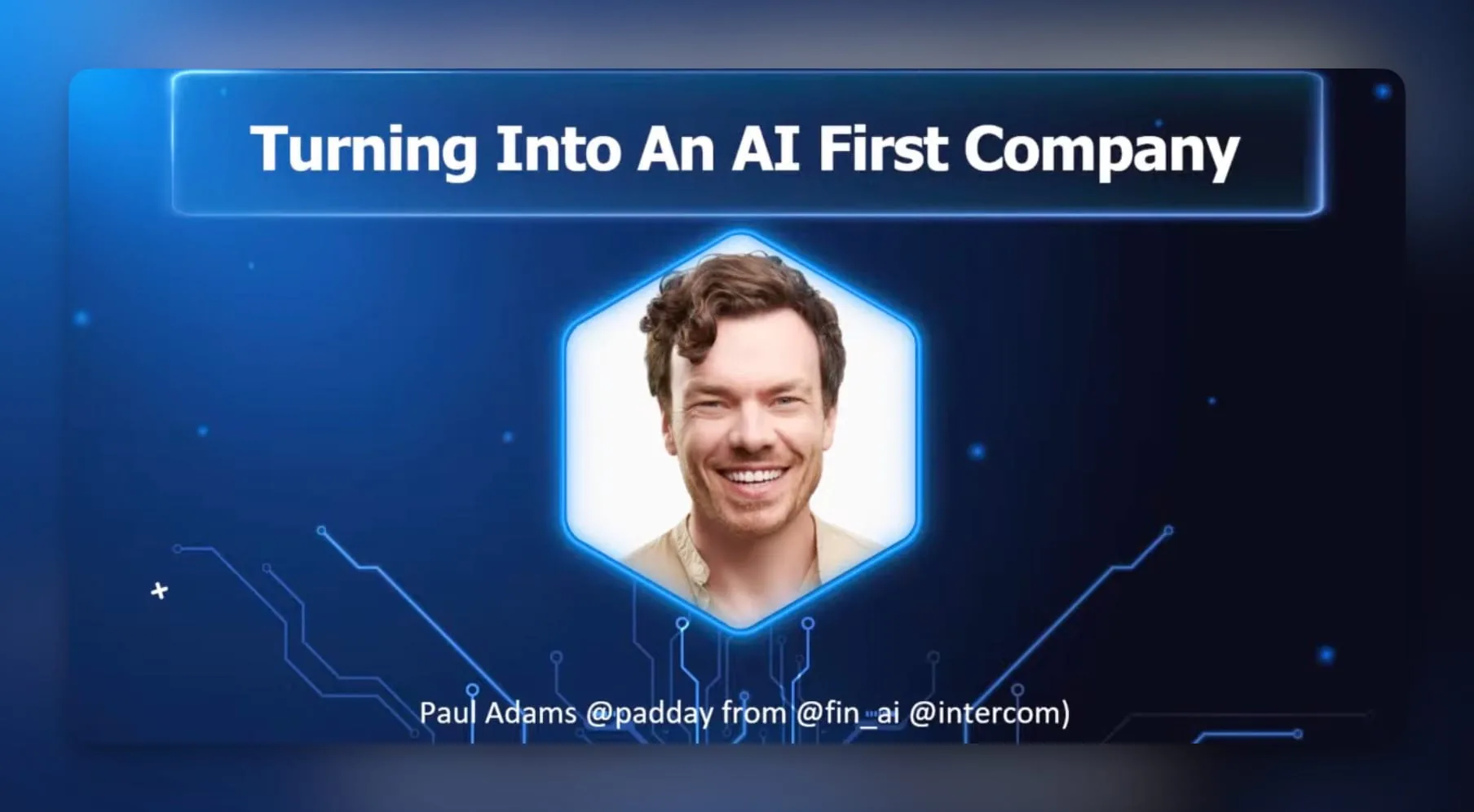
I was sitting in the SaaStr audience when Paul Adams, Chief Product Officer of Intercom, walked on stage. What followed was one of the most honest, brutal, and energizing talks I've heard this year.
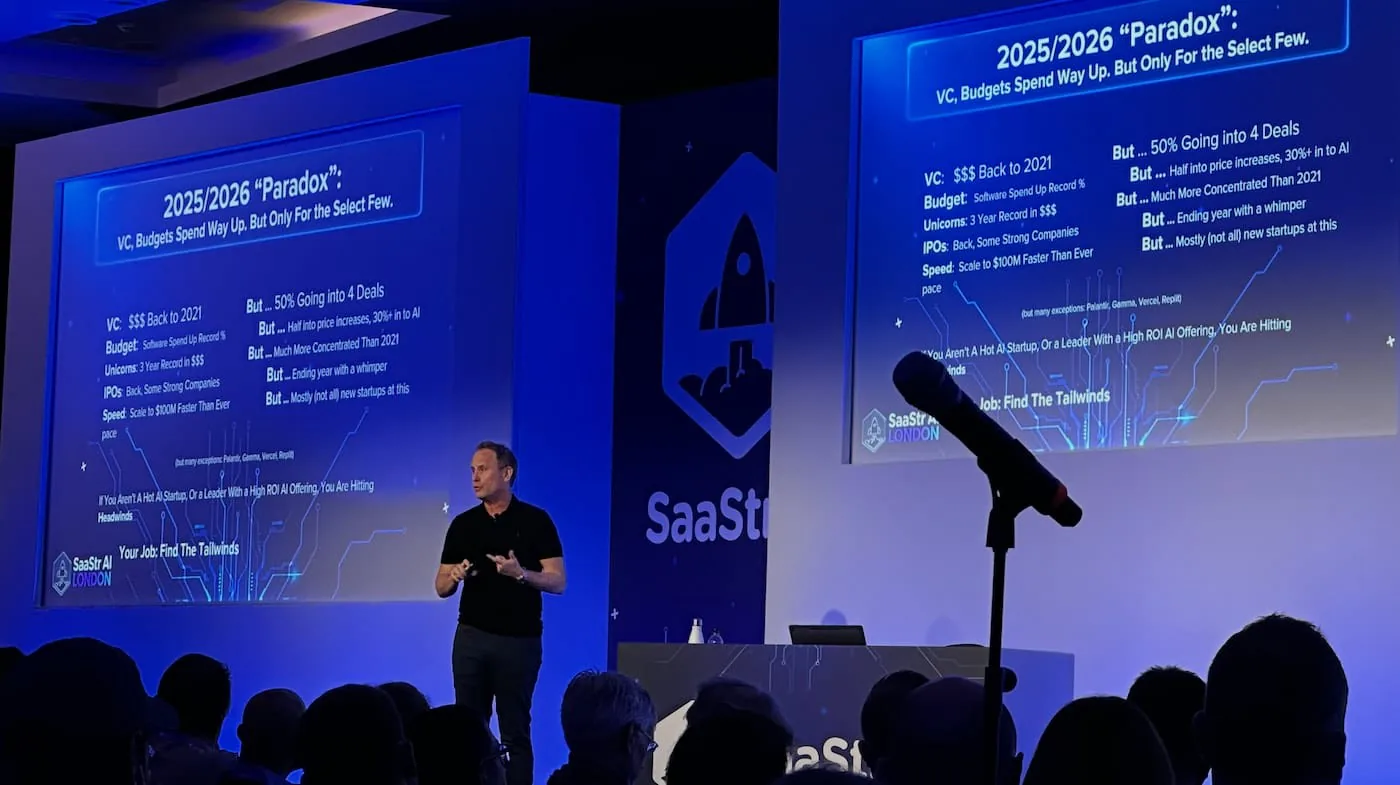
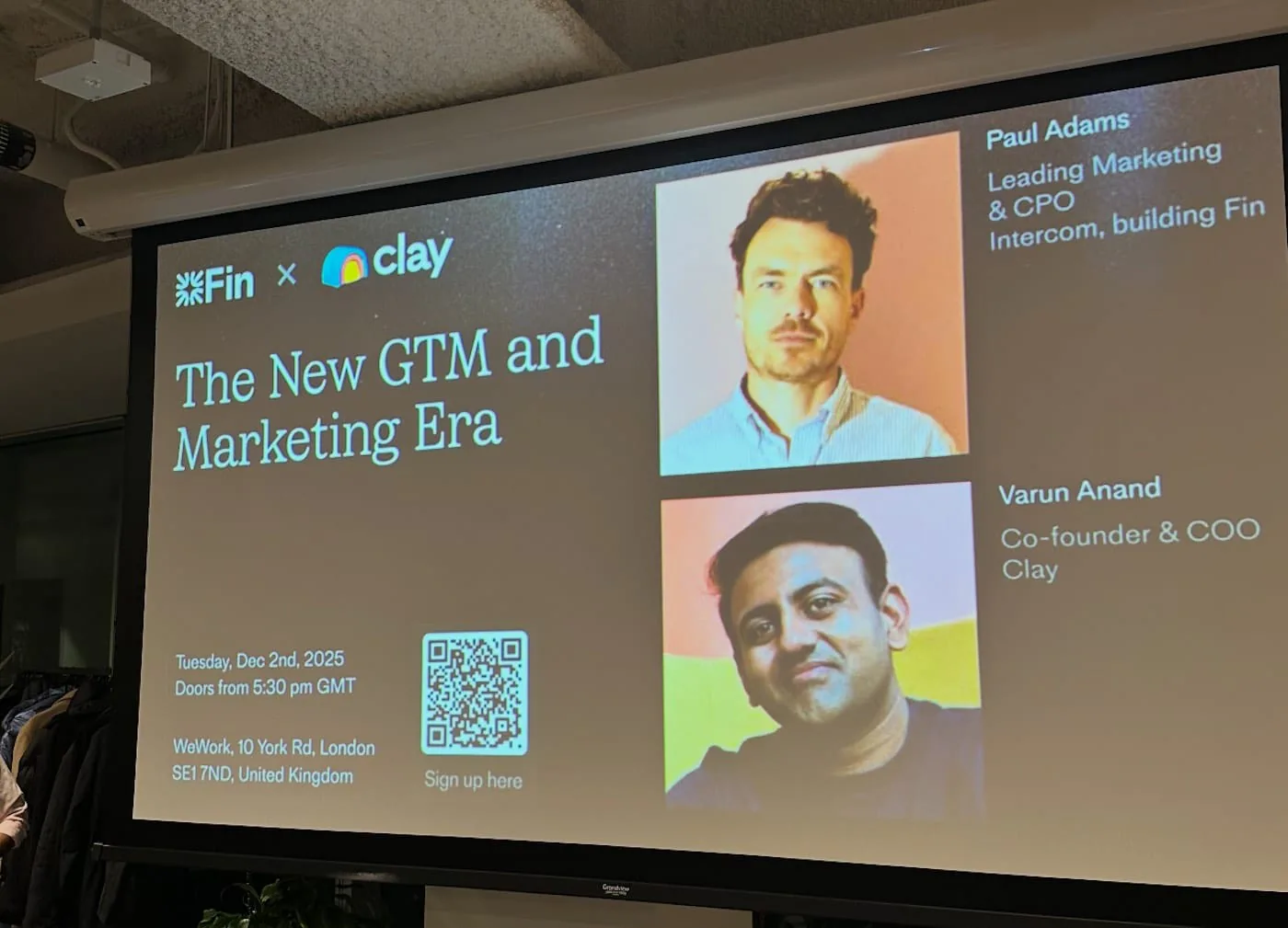
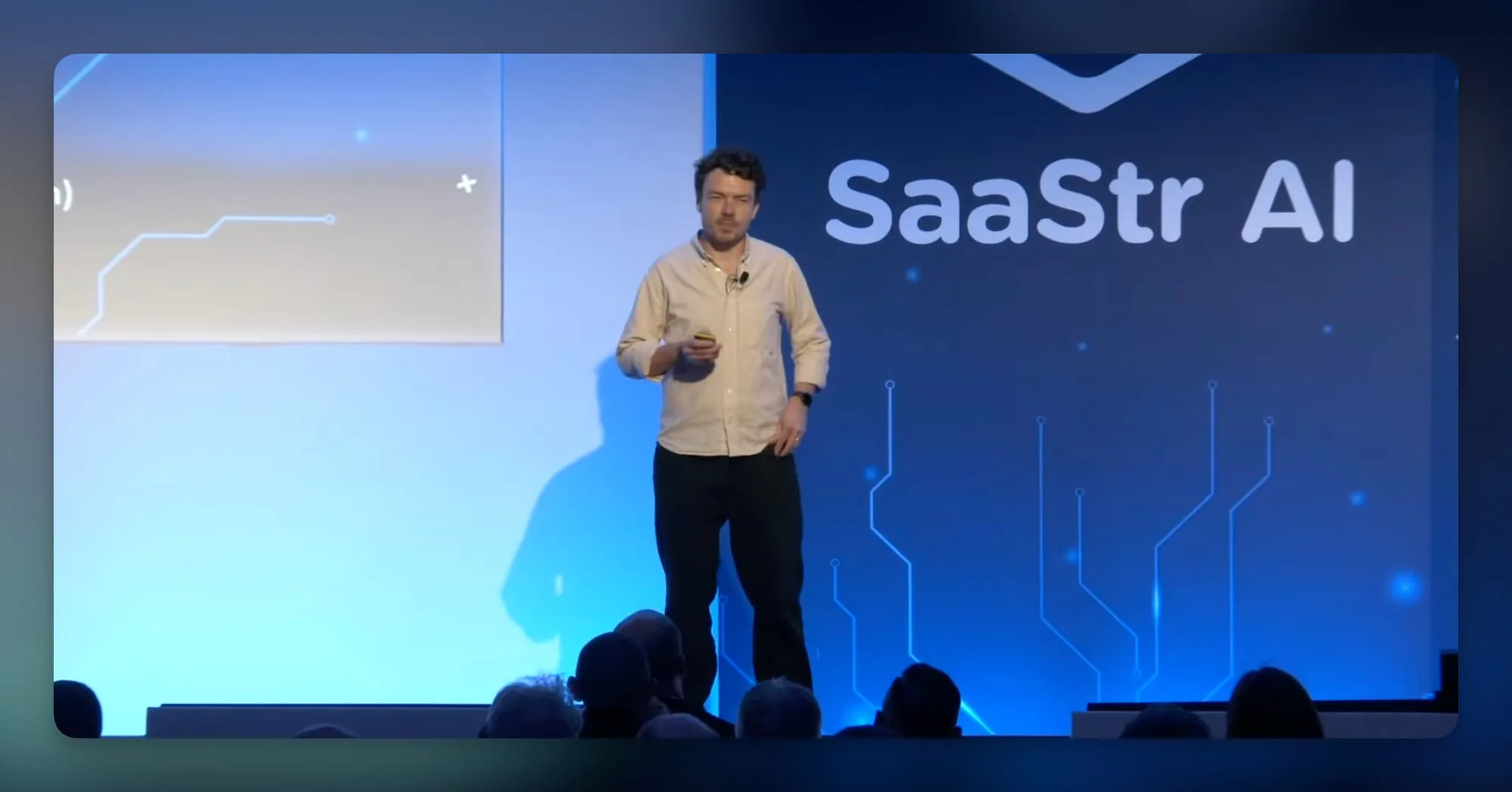
As someone building LiveChatAI.com an AI chatbot company competing in the same space as Fin, I couldn't take notes fast enough. Paul was describing the exact transformation every SaaS founder needs to face right now.
Here's what he said. And here's what I think it means for all of us.
⚡ Quick Summary: Key Takeaways from Paul Adams' 1-Hour Presentation
If you only have 2 minutes, here's what Intercom's CPO shared at SaaStr about their AI transformation:
The Stakes:
- Intercom bet the entire company on AI within 2 weeks of ChatGPT's launch
- They moved 80% of R&D to Fin (their AI agent), putting their main product on "maintenance mode"
- Fin now resolves 1M+ customer problems weekly with 65% average resolution rate
What Real AI Transformation Requires:
- You need three layers: App, AI (RAG system), and custom Model layer—not just a ChatGPT wrapper
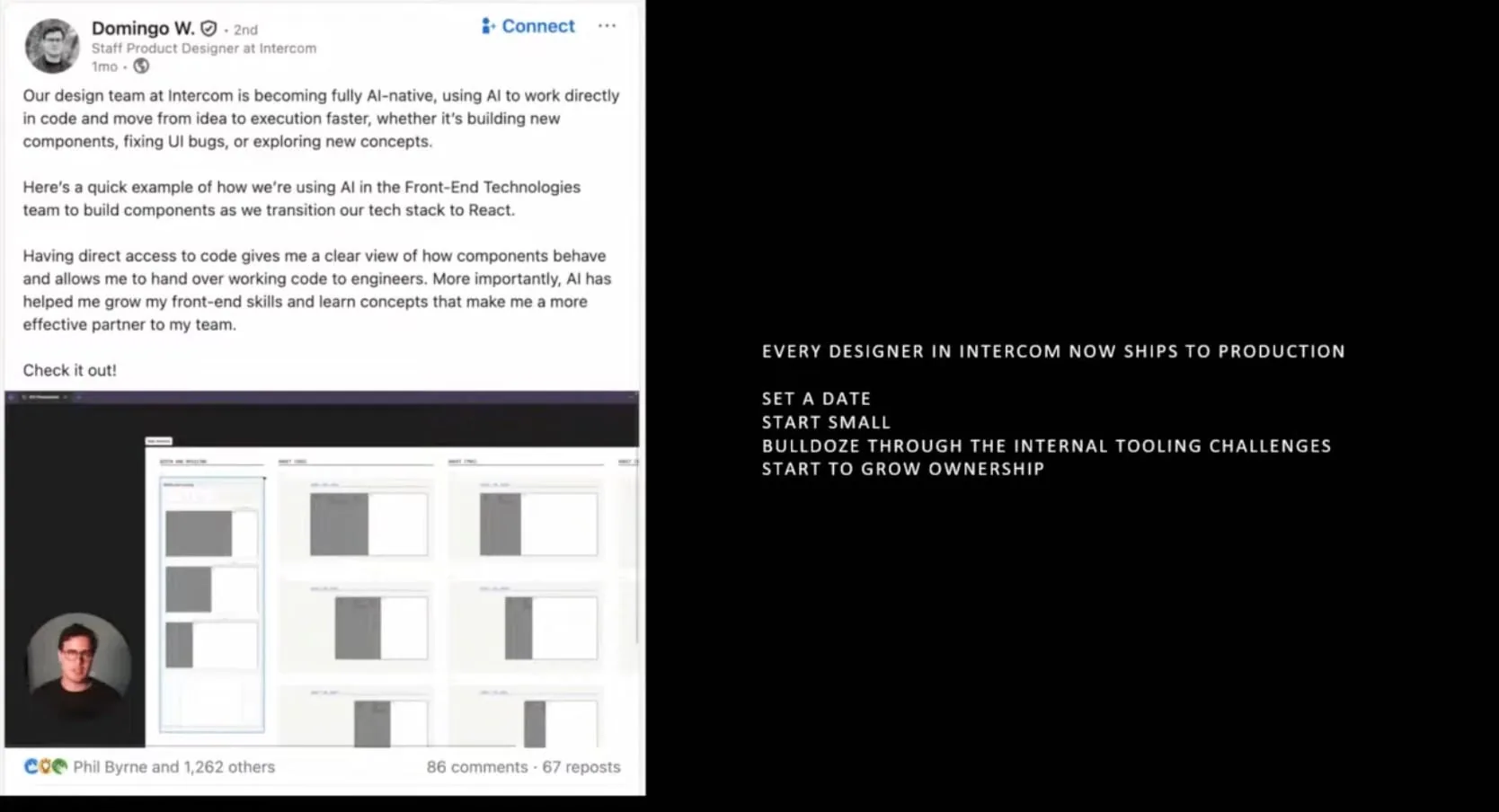
- Every designer at Intercom now ships code to production (from zero a year ago)
- They doubled engineering productivity by mandate, not suggestion
- Old product principles? Deleted. The SaaS-era playbook doesn't work anymore
The Hard Truths:
- "If it doesn't feel painful, you're not deep enough"
- A third of your team probably isn't fit for this new world
- Customers who say "we're not ready for AI" will use AI products anyway
- The buyer changed: now it's C-suite + AI evaluator + functional leader, not just one champion
Pricing & Go-To-Market Shifts:
- Fin launched at 99¢ per resolution (outcome-based, priced at cost)
- They built Fin to work on competitors' platforms (Zendesk, Salesforce)
- Marketing AI products is harder—demos aren't products, and performance is invisible
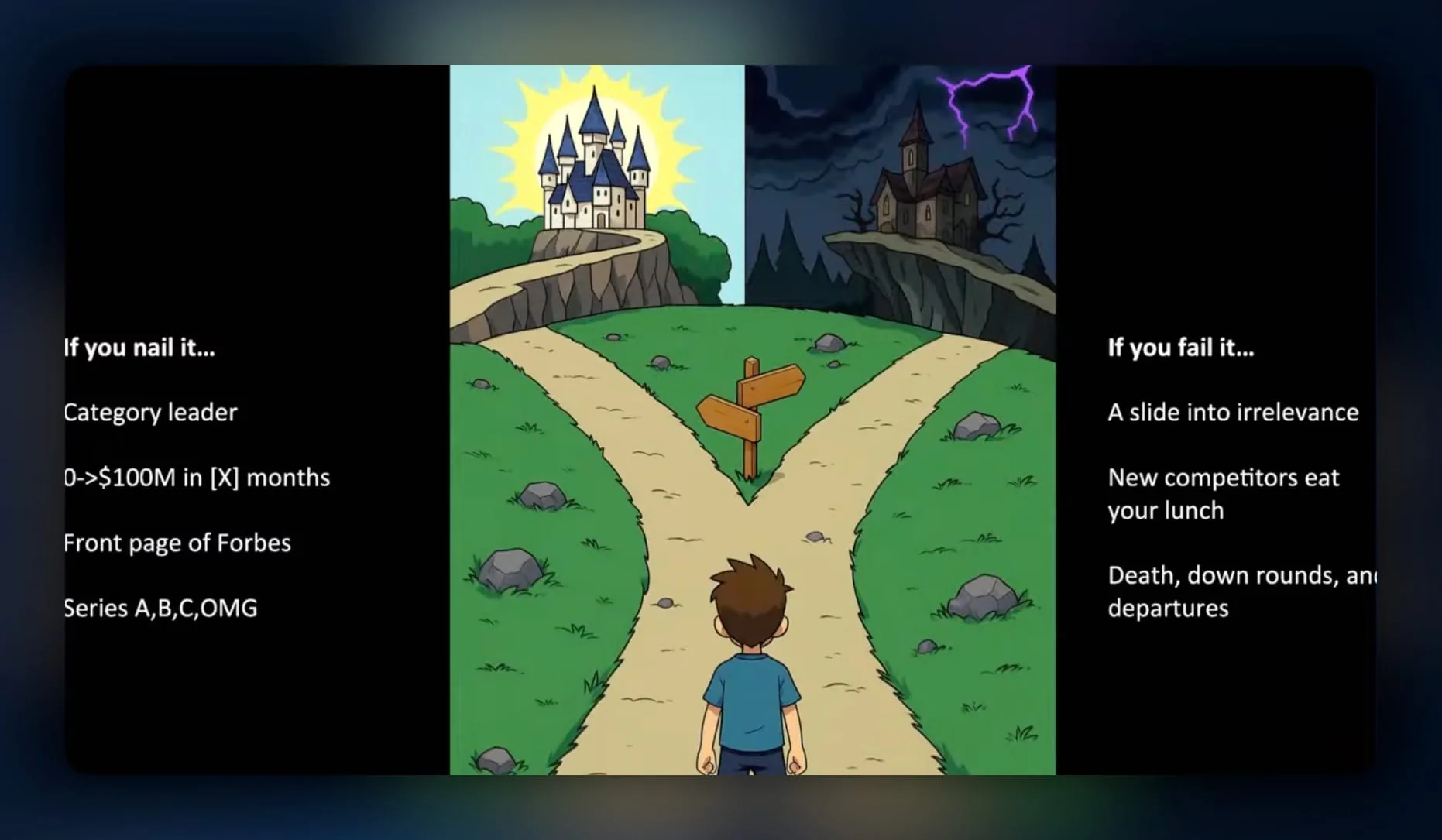
The Bottom Line: You have two paths: become a category leader or slide into irrelevance. There's no middle ground, and the window is closing.
The Talk Started With a Confession
"ChatGPT just had a birthday. It's three years old."
Paul let that sink in. Then he dropped this:
"Intercom three years ago versus Intercom today—they are entirely different companies. Unrecognizable."
He wasn't exaggerating. Intercom went from a classic SaaS helpdesk to an AI-first company with Fin, their AI agent, now resolving over 1 million customer problems per week.
📊 By the Numbers:
- 6,000+ Fin customers
- 65% average resolution rate across all customers
- 1,000,000+ resolutions per week
But here's what got me: Paul didn't sugarcoat the journey.
"It was brutal. Really brutal. And if you're a SaaS company who thinks you're an AI company and you haven't gone through brutal transformation—you're not there yet."
The Timing Was Everything (And Also Terrible)
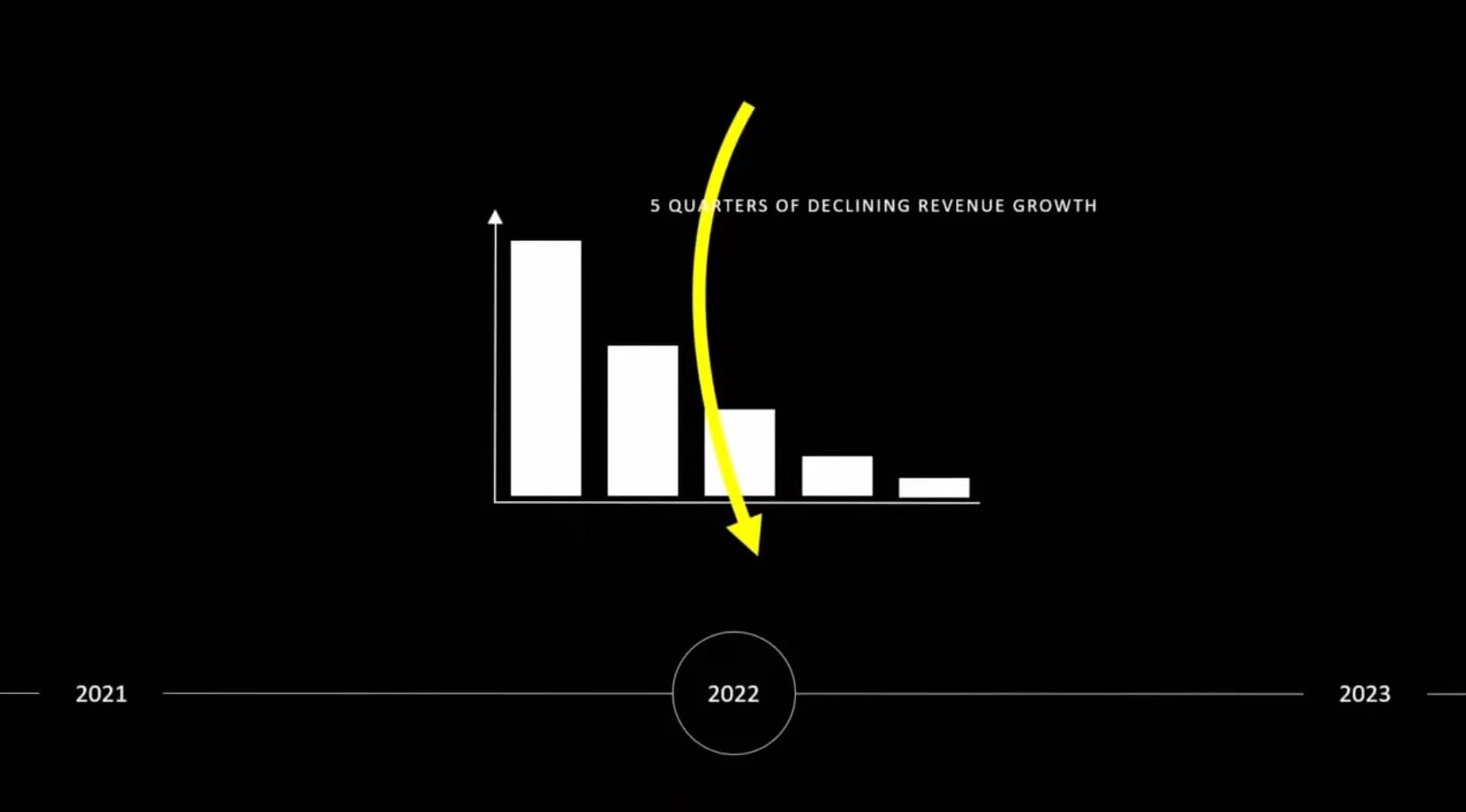
Let me paint the picture. Owen, Intercom's co-founder, had just returned as CEO. The company had suffered five consecutive quarters of declining revenue growth. They'd gone down the IPO path, which Paul says "changes how you think, changes how you work."
Then ChatGPT showed up. Three months after Owen's return.
💡 My Insight: From my experience running LiveChatAI: launching during chaos sounds terrible, but it's often the only time companies are willing to take real risks. Comfort breeds incrementalism.
Paul and his team made the call in one to two weeks. They bet the entire company on AI.
"We ripped up our strategy. We ripped up our roadmap."
They launched Fin in March 2023—just months after that decision.
Why "No One Will Say No" Is Actually the Problem
Here's something Paul said that I've been thinking about ever since:
"No one's going to say they're going to resist AI. That's not a thing."
But then he listed what they actually say:
- "Not now."
- "Our customers aren't ready."
- "Let's dip our toes."
- "Maybe next quarter."
- "The board will pressure me if we miss our number."
I've heard every single one of these. I've said some of them myself.
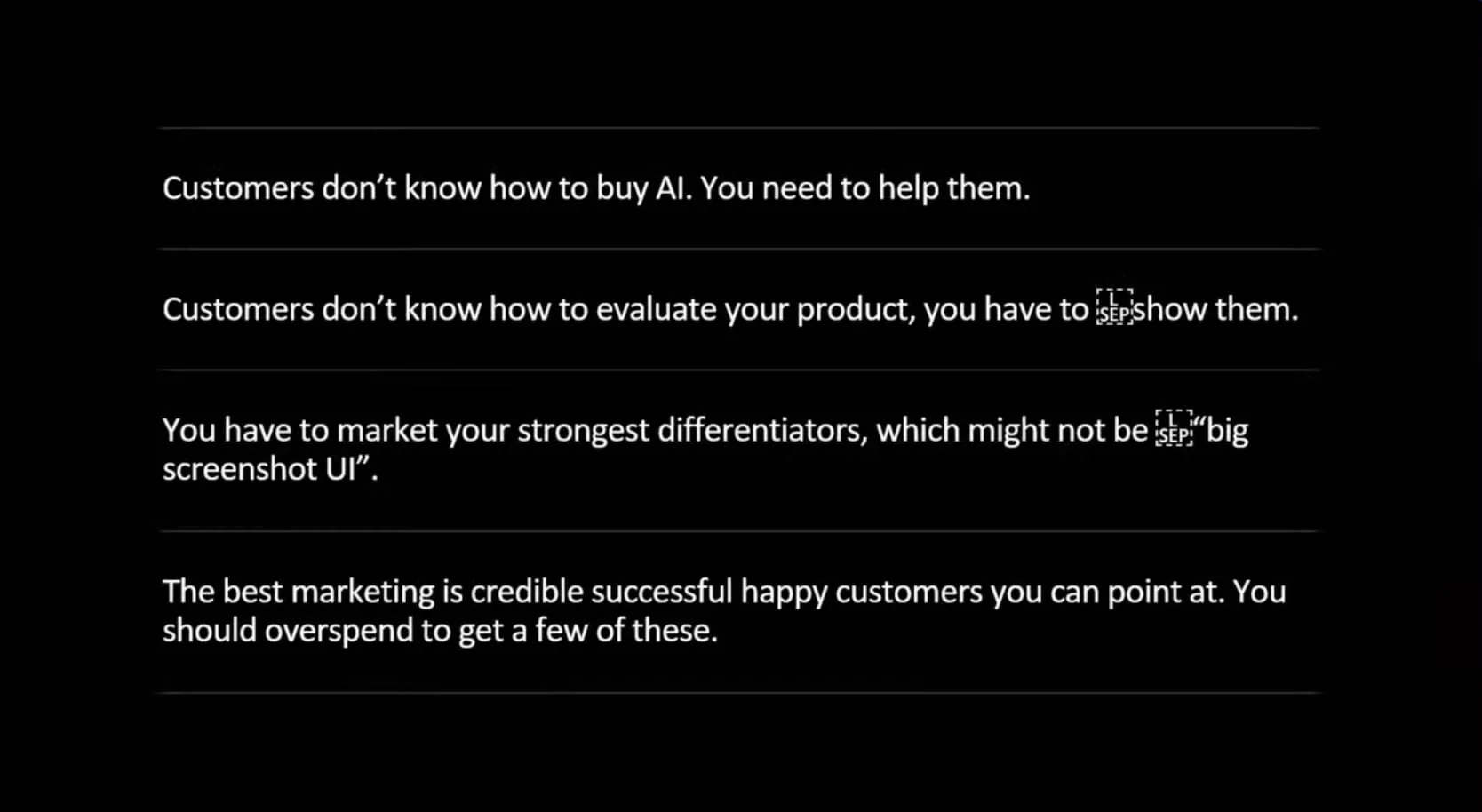
The truth is, resisting AI doesn't look like resistance. It looks like caution. It looks reasonable. And that's what makes it dangerous.
⚠️ Warning: The companies that wait for permission, that look for the "right time," that want to prove it out with small experiments first—they're not being smart. They're already behind.
What a Real AI Company Actually Looks Like
Paul showed a diagram that reframed how I think about our own product stack:
A true AI company has three layers:
- App Layer — How users access your AI
- AI Layer — Your RAG system, your secret sauce
- Model Layer — Custom models trained for your specific domain
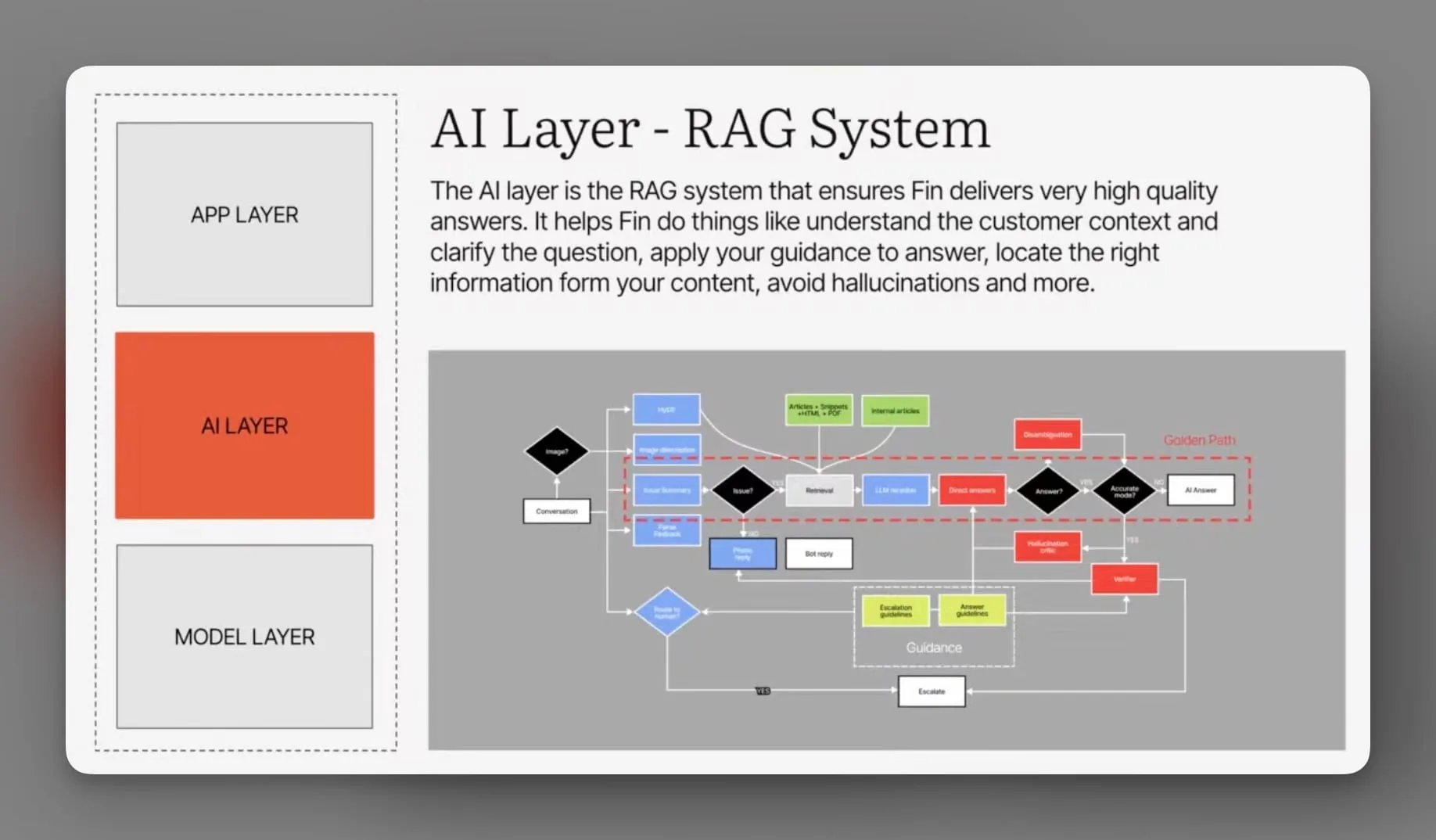
"If you're a true AI company, you're doing all three of these things."
At LiveChatAI, we're building only 1 and 2. But seeing Paul break it down this clearly helped me understand why competitors who just slap a ChatGPT wrapper on their product won't survive. A demo isn't a product. And a product that works in a demo isn't a product that works at scale.
📈 Case Study: Paul pointed to Apple Intelligence as the cautionary tale. Announced in June 2024 with massive fanfare. Actual release? Pushed to "next spring, 2026." That's the marketing overhang, promising the world before you can deliver it.
The Part That Made Me Uncomfortable
Paul talked about making decisions that feel like self-harm.
"You won't make self-harming decisions to win. You'll protect revenue. You don't want to piss off the board."
But he did make those decisions.
- Intercom moved 70% of R&D to Fin. Then 80%.
- They built Fin to work on competitors' platforms—Zendesk, Salesforce.
- They priced Fin at cost: 99 cents per resolution.
"Intercom is effectively on maintenance mode now."
Read that again. A 1,200-person company put their main product on maintenance mode to go all-in on AI !!
Everything About Building Software Has Changed
This section hit hardest for me as a product person.
Paul showed Intercom's old product principles—the ones they'd built over years, taught to every new hire, displayed on walls. Then he said:
"We had to abandon all this shit."
Here's how software building changed:
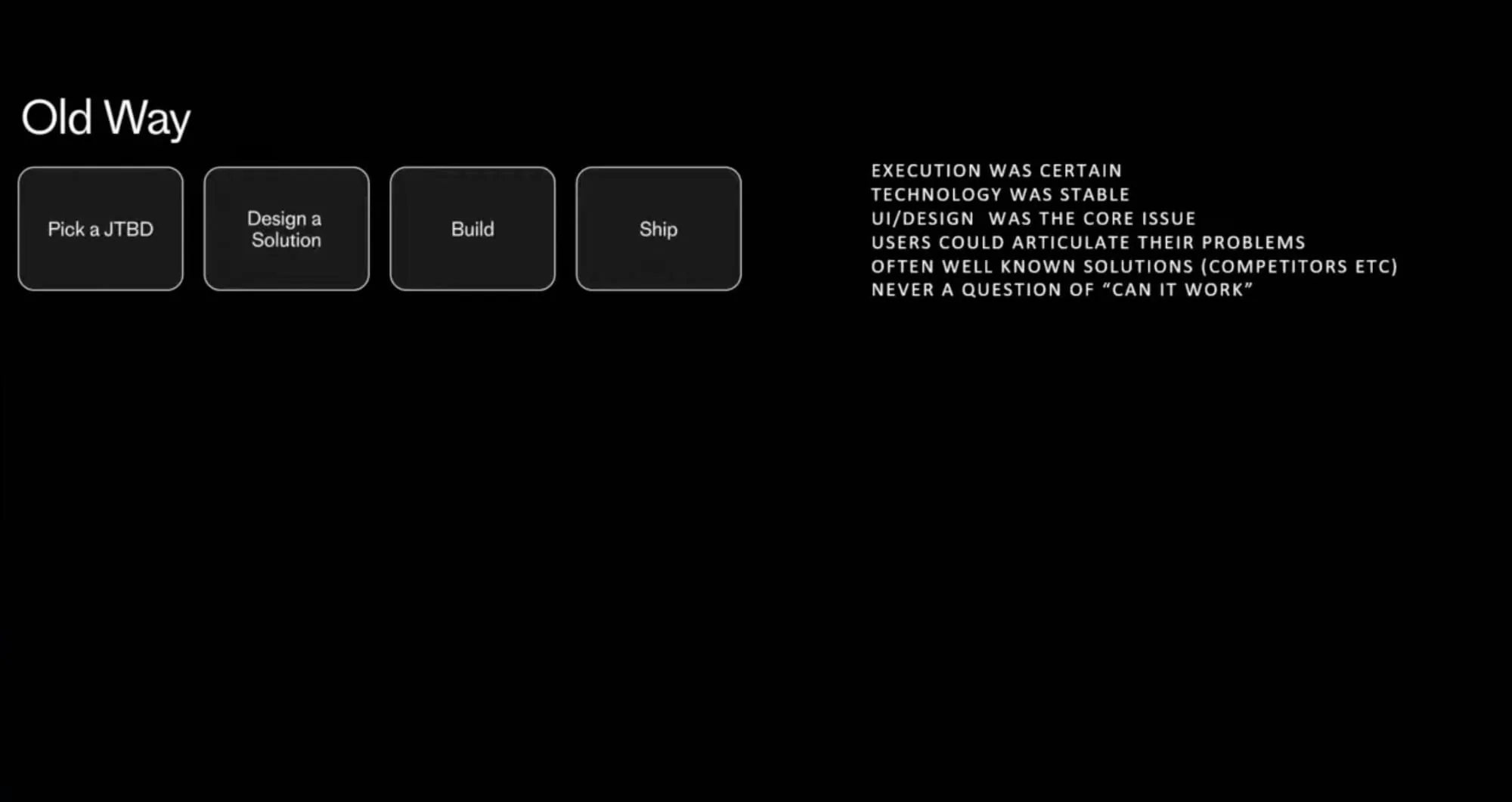
Old Way:
- Pick a job to be done
- Listen to customers
- Design a solution
- Build and ship
- Execution is certain
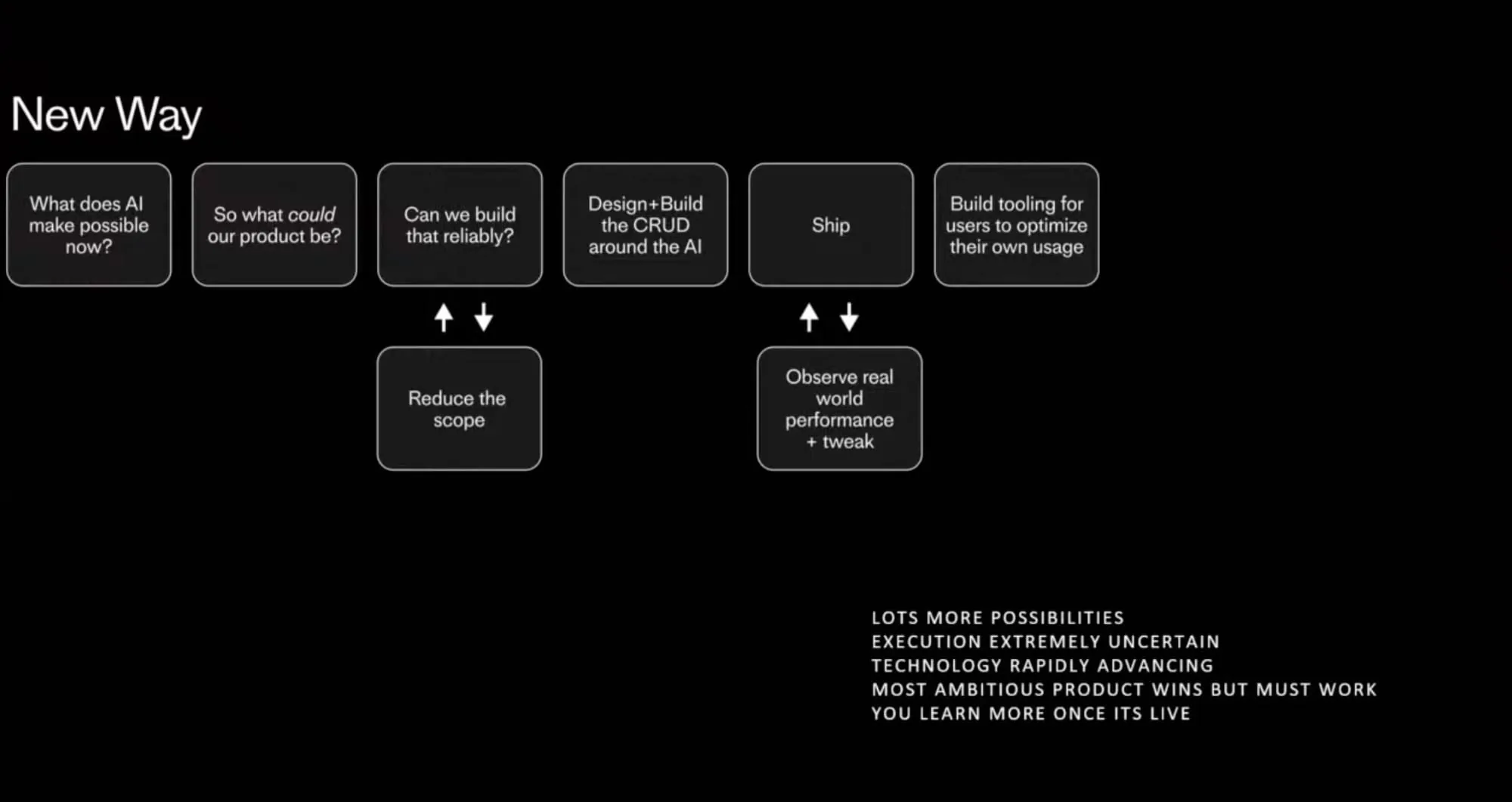
New Way:
- What does AI make possible?
- What might the product be?
- Can we build it reliably? (Let's find out)
- Build the UX later
- Ship, then see if it works at scale
The hard part isn't building the UI anymore. The hard part is building AI infrastructure that actually works.
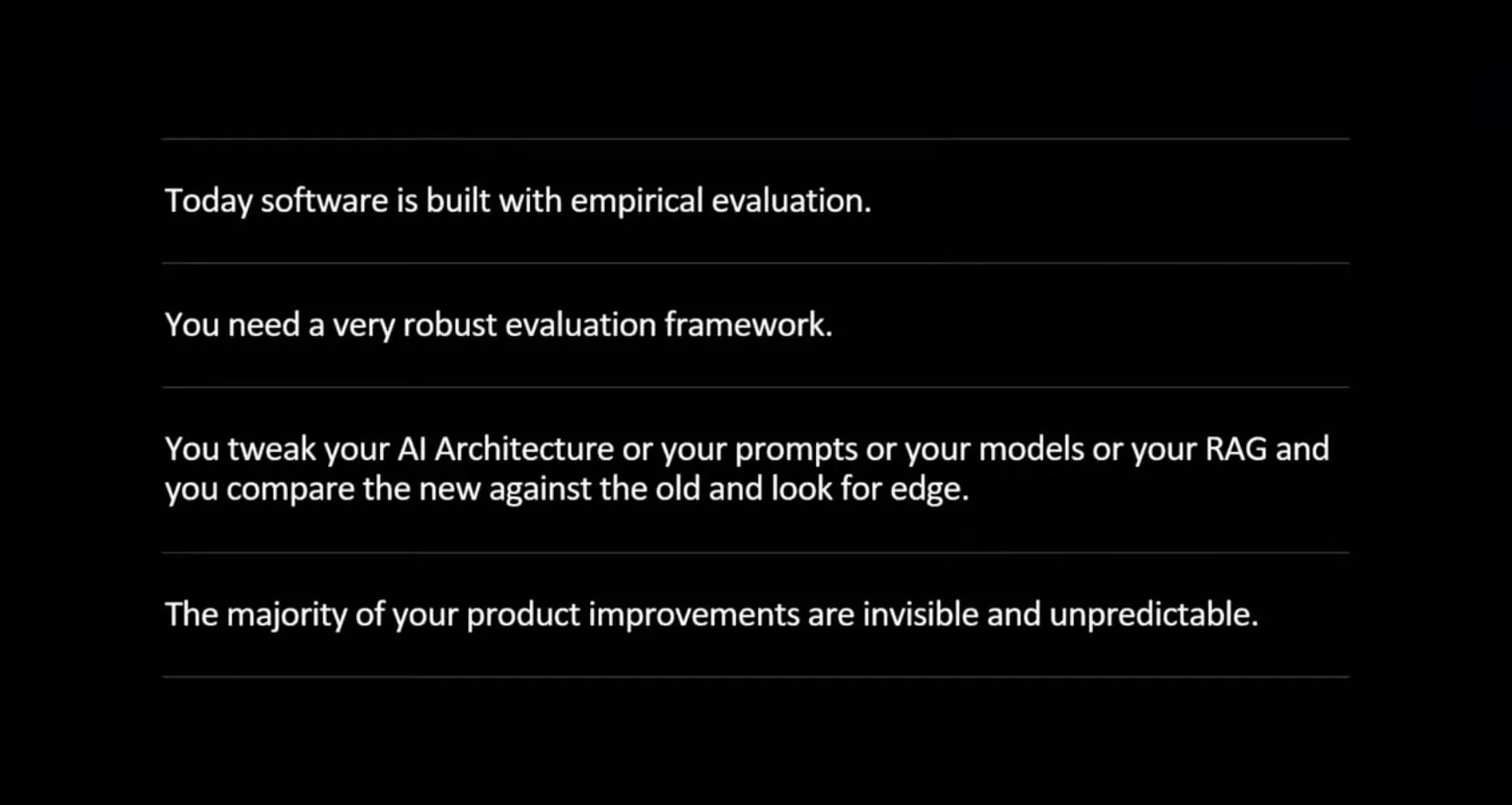
📌 Pro Tip: Paul shared that Fin's resolution rate goes up 1% every single week through constant experimentation. That's not a product roadmap—that's an empirical research process.
Designers Now Ship Code. Engineers Doubled Productivity.
Two things Intercom mandated:
- Every designer must ship code to production.
- Engineering productivity must double.
"We said we were going to do it. Remember, AI is not negotiable."
A year ago, zero Intercom designers had shipped code. Now? Every single one has.
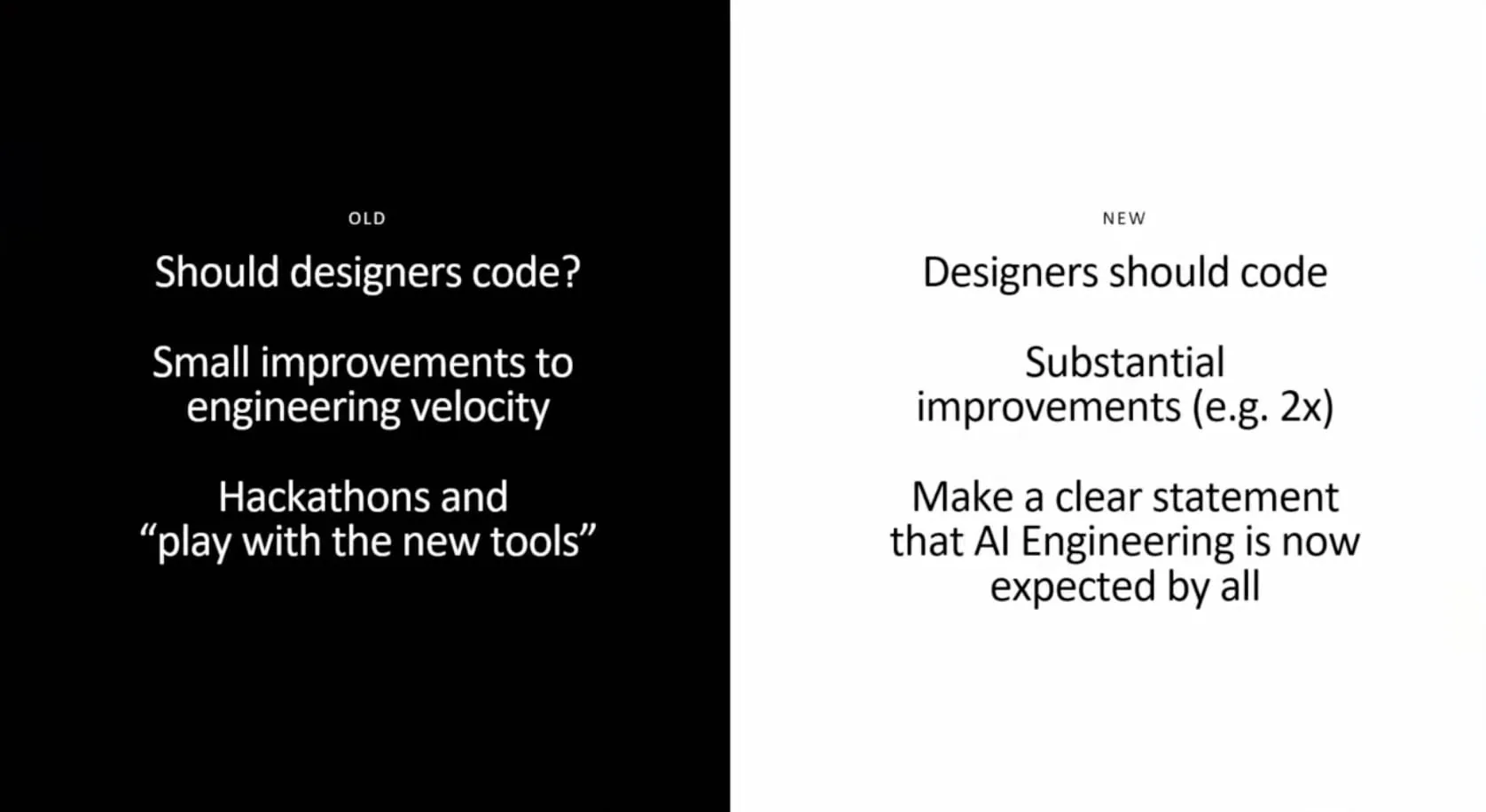
This isn't about saving money. It's about speed. Designers can now fix the two-pixel bugs they hated. PMs can prototype without waiting for engineering. The whole team moves faster.
The Buyer Has Changed
This shift caught my attention because I see it in our sales calls every day.
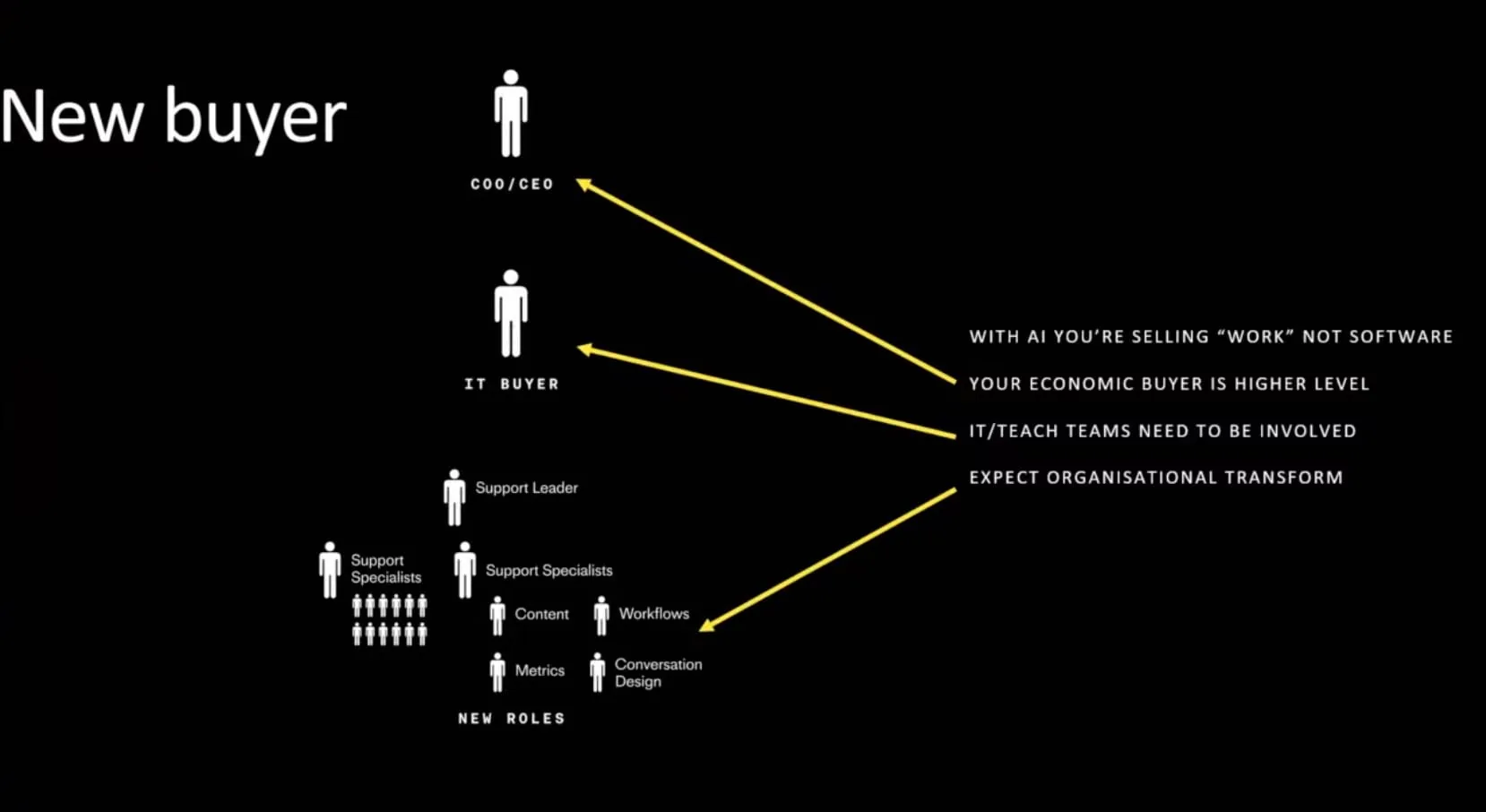
Old model: One buyer (for Intercom, the customer service leader)
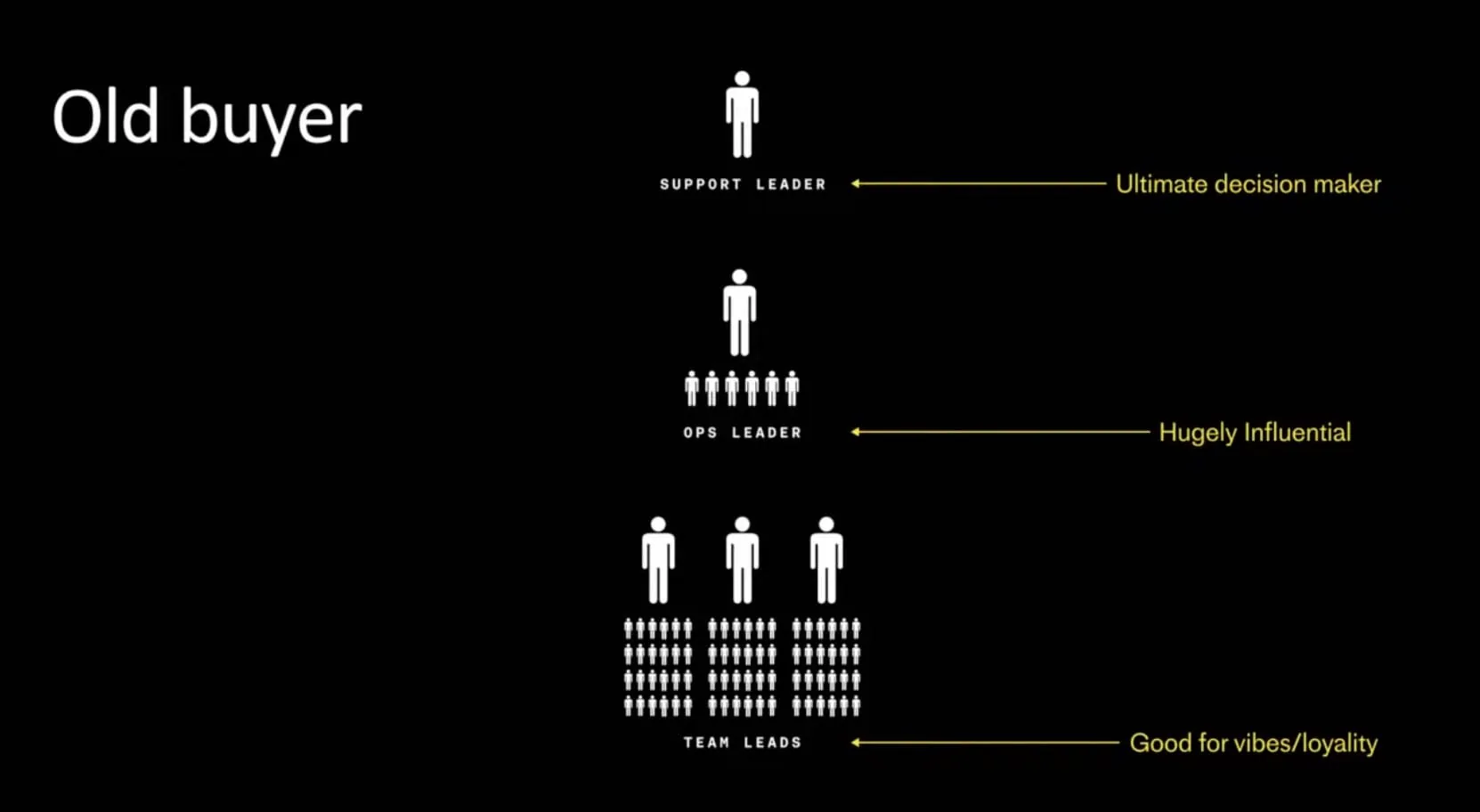
New model: Three stakeholders
- Customer service leader — Still influential, but not the decision-maker
- C-level executive — Their job is now "AI transformation"
- AI/IT buyer — Evaluates whether the product actually works
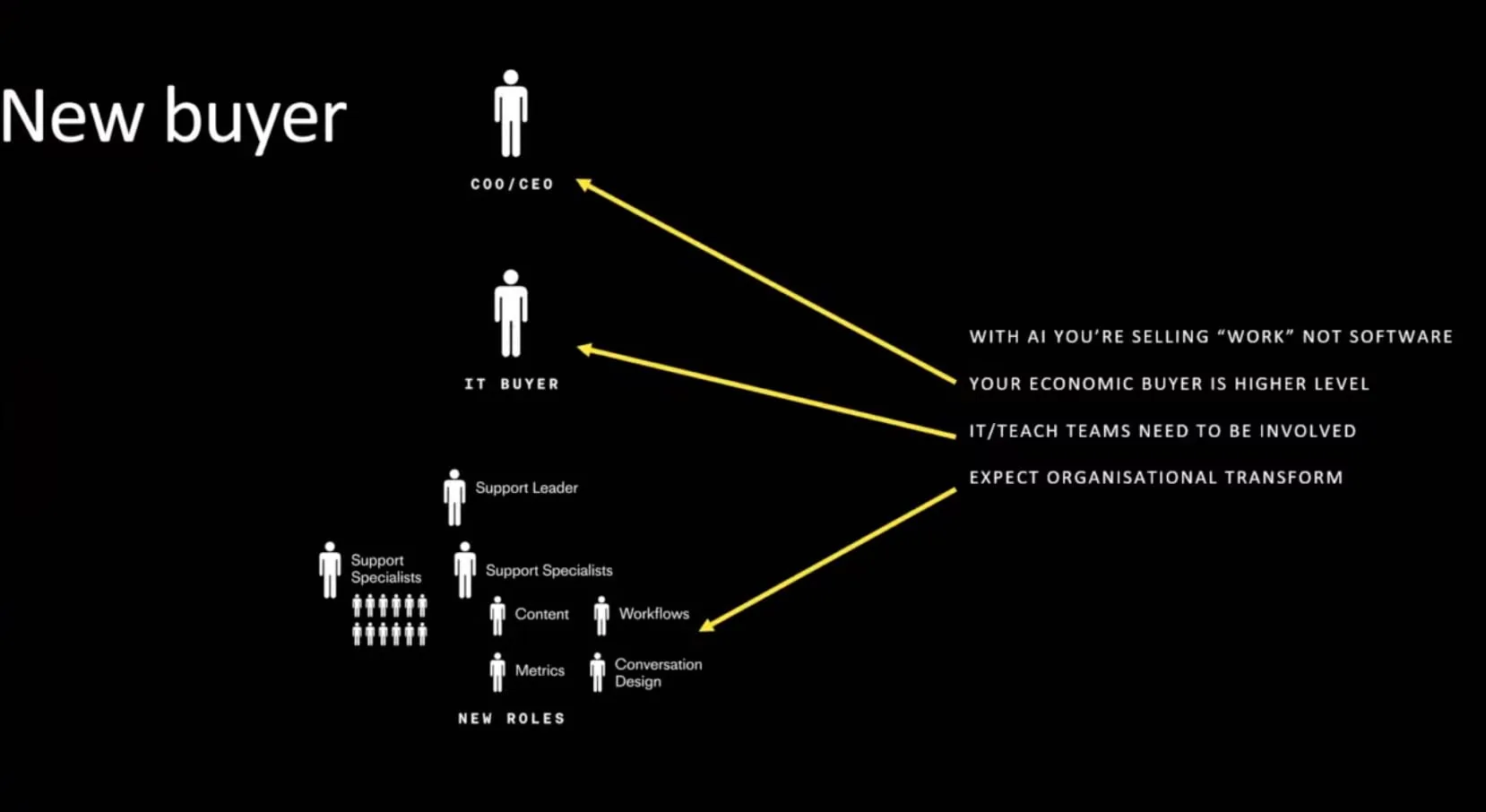
Paul put it bluntly:
"A CEO and a customer service leader live in different universes. They don't go to the same events, read the same things, operate at different zoom levels."
So now he's doing dinners with CEOs while also attending trade shows for CS leaders.
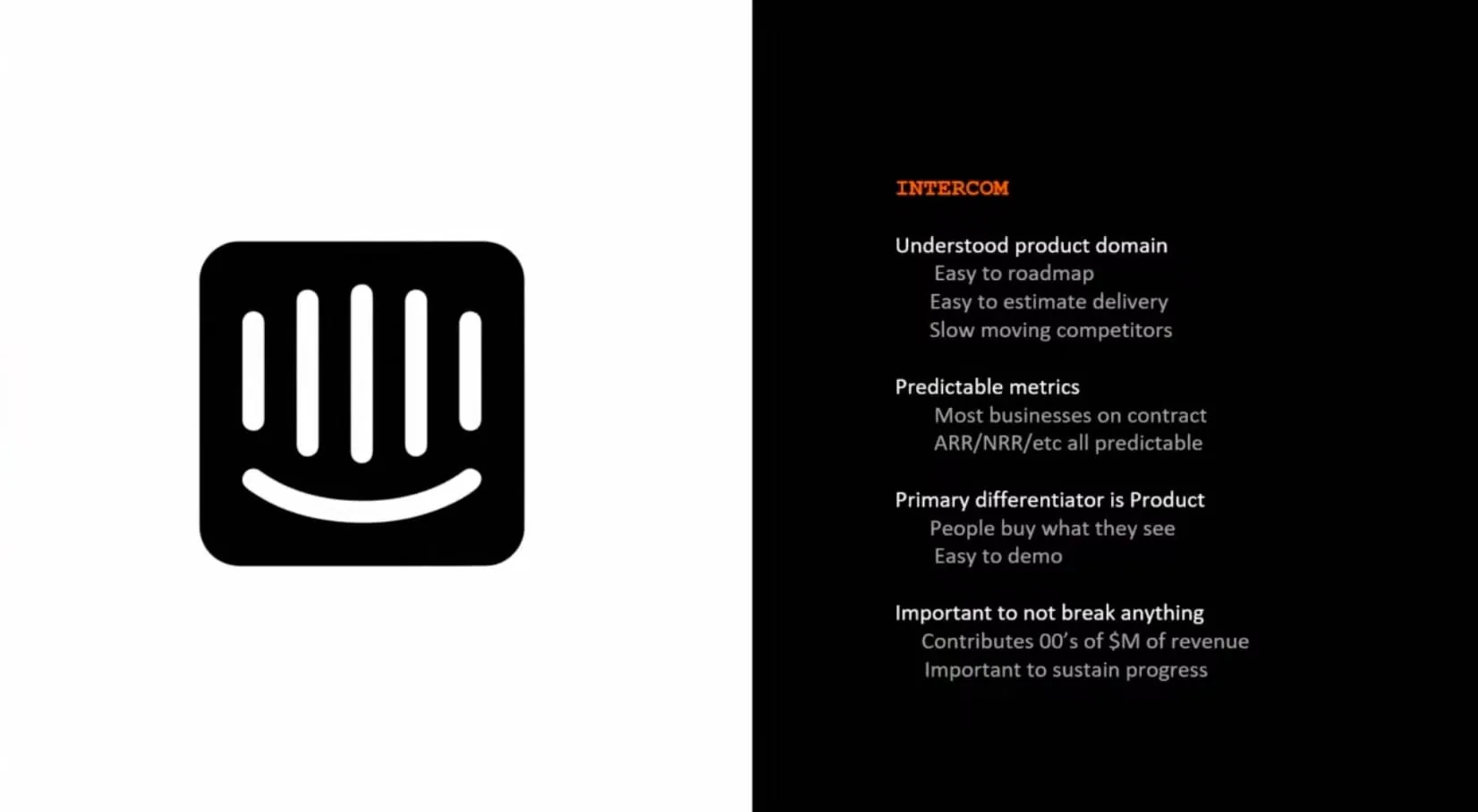
You Now Have Two Companies
If you succeed at this transformation, you get a strange problem: you're running two companies.
For Intercom:
- Easy product domain
- Predictable metrics
- 10+ years of history
- Seats-based revenue
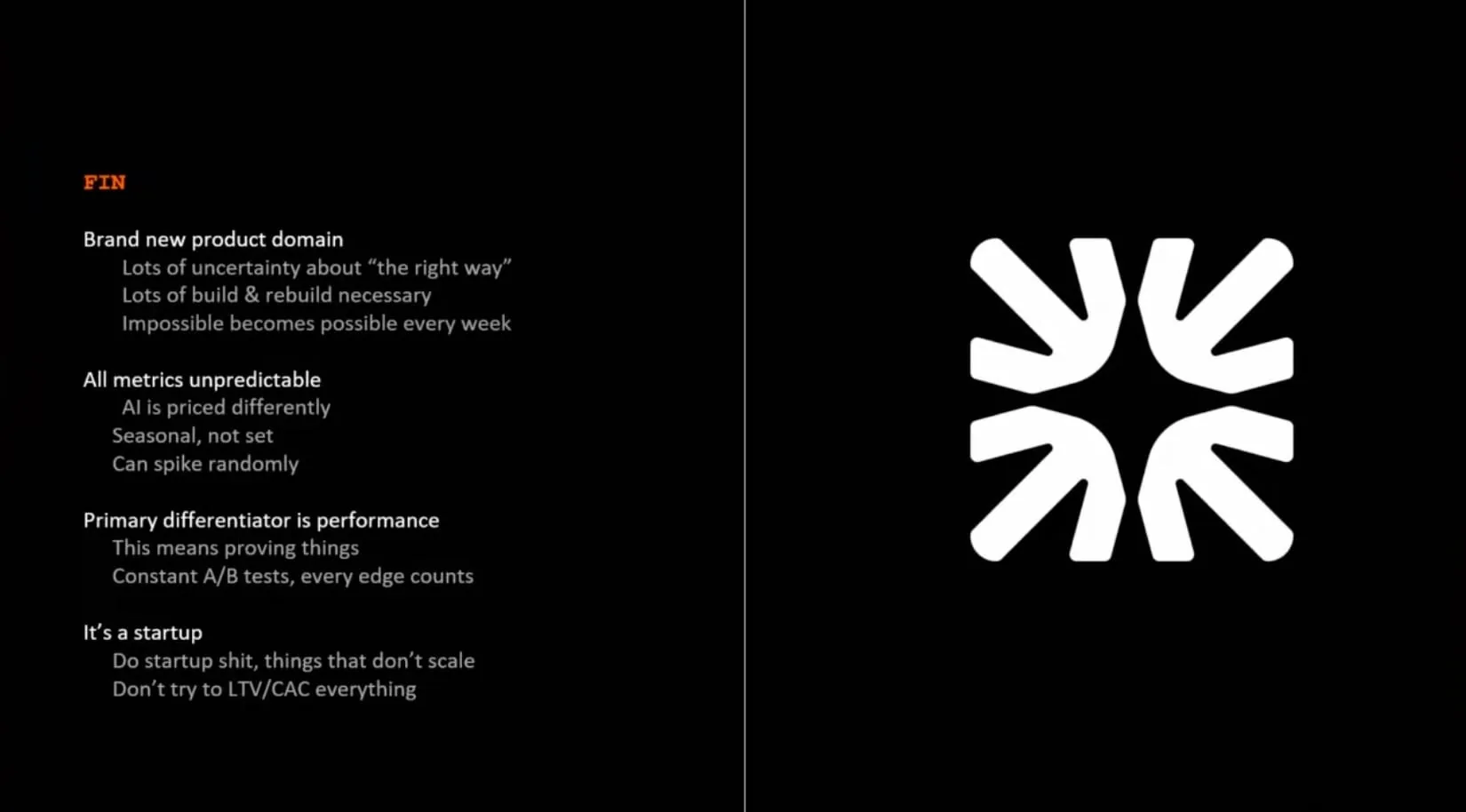
For Fin:
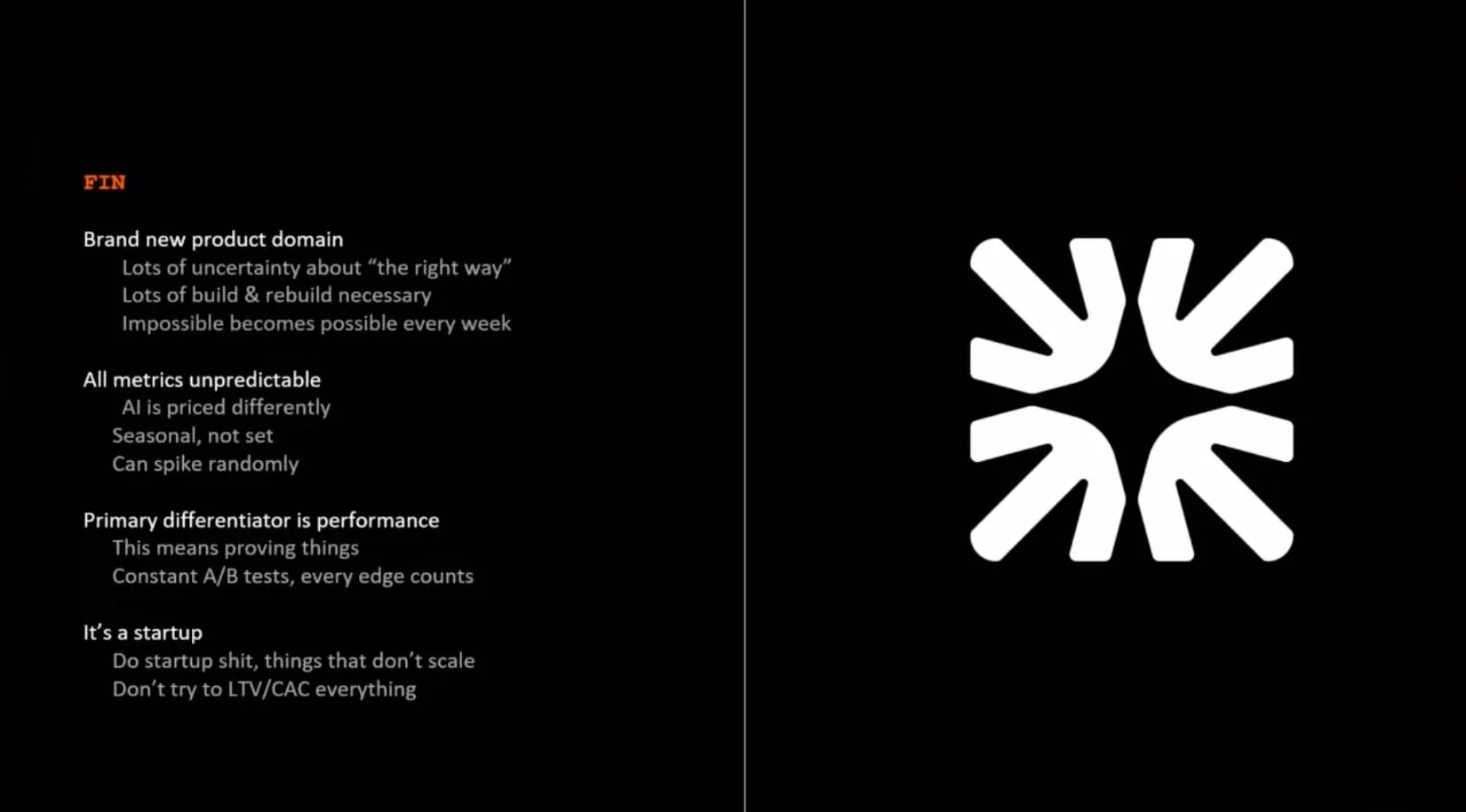
- New product domain
- Unpredictable metrics
- Outcomes-based revenue
- Competing against companies growing 300% YoY
"We're trying to run Intercom like a startup. Intercom is 1,200 people, but we're trying to run it like a startup."
The Mistakes You'll Make
Paul finished with the mistakes he thinks most companies will make. I'm including these because I've made some of them, and I know you probably will too:
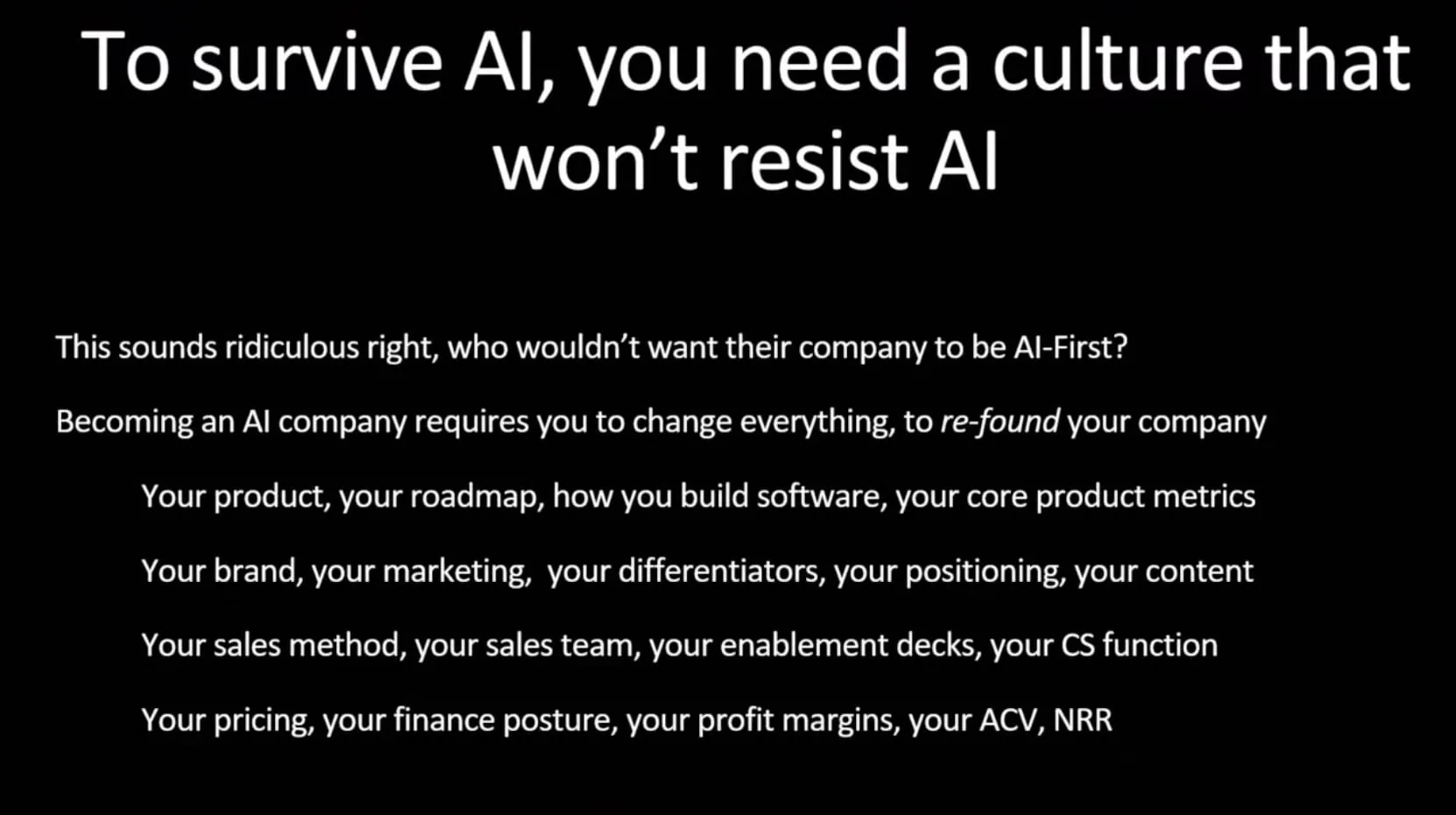
- You won't reimagine your product. You'll just add AI to what exists.
- You won't make self-harming decisions. You'll protect short-term revenue.
- You'll dilute the vision. "We'll dial it down a little."
- You'll delay. "Great Q1, let's do AI in Q2."
- You'll convince yourself you've done enough. Easy stuff, not hard stuff.
- You'll listen to customers who say no to AI. Paul's words: "Now they use Fin."
- You'll make these mistakes and deny it.
What I Took Away
Sitting in that audience, I felt two things at once: relief and urgency.
Urgency because Paul made it clear: the window is closing. The companies that transform now will own the next decade. The companies that wait will slide into irrelevance.
Here's my honest take: most SaaS companies are going to fail at this transition. Not because they lack talent or resources, but because they lack the stomach for it.
Transformation hurts. It requires firing people who aren't a fit. It means upsetting customers who want you to slow down. It demands betting your stable revenue on something that might not work.
But the alternative is worse.
As Paul said at the beginning: "You have two paths. Opportunity or death."
I know which one I'm choosing.
Did this resonate with you? I'm sharing more of what I'm learning building AI and B2B SaaS products at GrowthMarketing.ai. Drop me a line if you're going through a similar transformation—I'd love to compare notes.
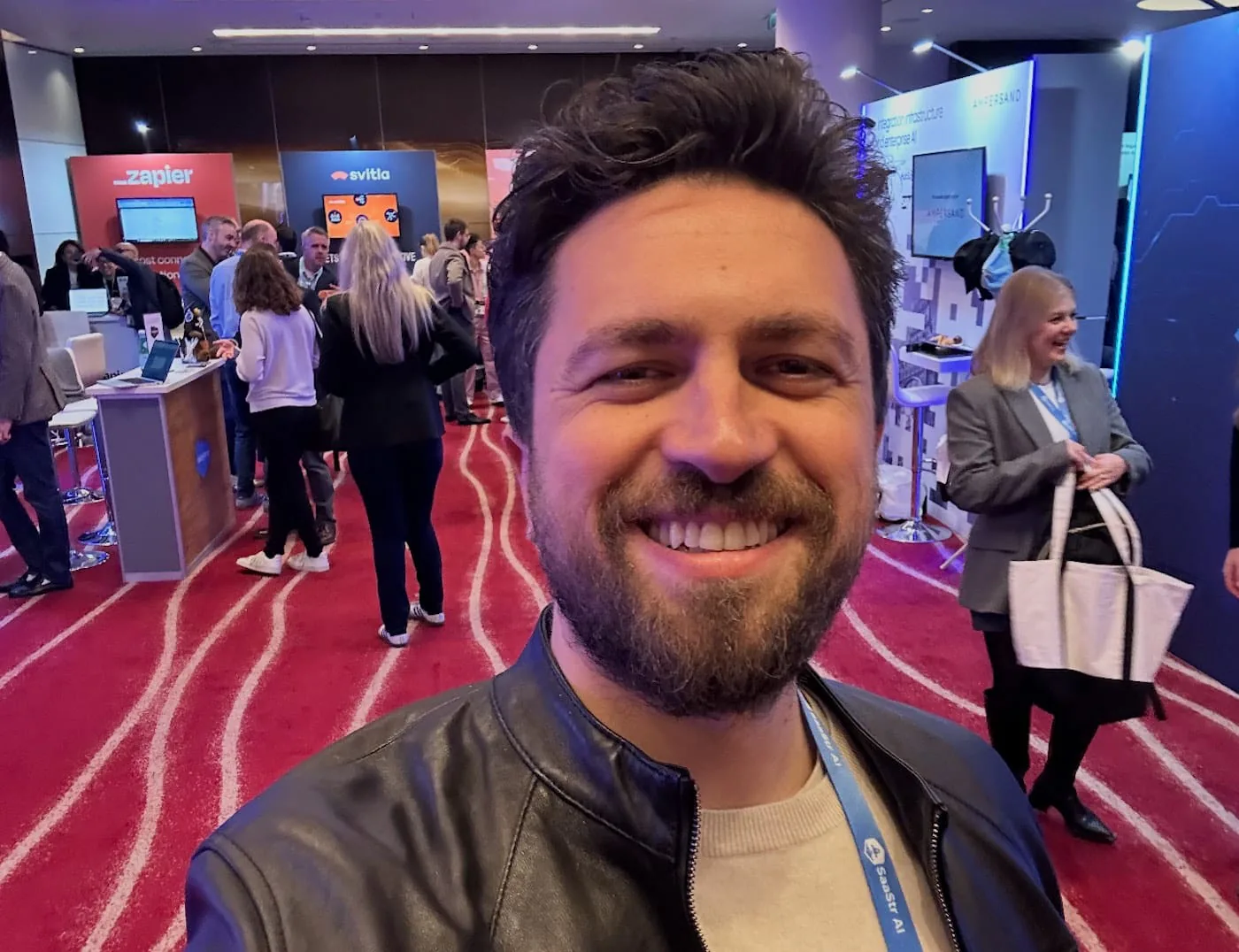
About me: Emre Elbeyoglu is the CEO & Co-founder of Popupsmart.com and LiveChatAI.com. He has 10+ years of experience in growth marketing and has helped hundreds of brands grow through product-led strategies and conversion optimization.